





























CES 2026: The Global Stage Where AI, Robotics, and Wearables Shape the Future
CES 2026 highlights how artificial intelligence, robotics, and wearables are transforming industries, reshaping global markets, and redefining everyday life.

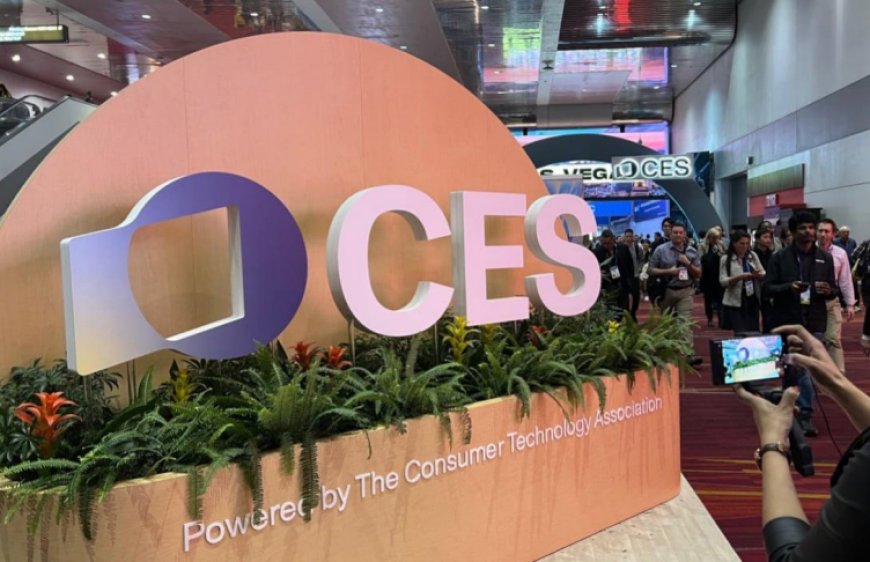
Las Vegas is once again the epicenter of global innovation as CES 2026 opens its doors, unveiling a bold vision of the future where artificial intelligence, robotics, wearables, and next-generation computing converge. What was once a showcase of gadgets has transformed into a strategic arena where technology companies, startups, and industrial giants reveal the tools that will redefine everyday life, business, and global markets.
This year, the spotlight is on practical applications over prototypes: AI-powered devices that learn and adapt, humanoid and industrial robots performing real-world tasks, and wearables designed to enhance health, productivity, and connectivity. Beyond consumer electronics, CES 2026 highlights how technology is reshaping industries, investment flows, and international competitiveness, offering a glimpse into the innovations that will dominate 2026 and the decade ahead.
Analysts, investors, and technologists alike are closely watching, as the announcements and trends from CES will influence global supply chains, investment flows, and consumer expectations for years to come.
Artificial Intelligence Everywhere
AI has moved from experimental labs into every corner of CES 2026. Unlike earlier years, it is no longer a single product feature — it is woven into devices, services, and industrial systems, promising to change how people live and work.
Key trends include:
-
Consumer AI integration: Smart home devices, wearable assistants, and personal productivity tools are now capable of adapting to users’ habits in real time.
-
Industrial AI applications: Manufacturing, logistics, and agriculture are being transformed by intelligent automation systems unveiled at the show.
-
AI-driven experiences: Entertainment, gaming, and immersive digital environments now incorporate predictive AI to create personalized interactions.
-
Cross-platform intelligence: Developers are embedding AI across ecosystems, enabling seamless operation between smartphones, laptops, appliances, and cloud services.
This pervasive AI presence signals a shift in the tech paradigm, where intelligence embedded in everyday objects becomes the defining feature of consumer and enterprise products alike.
Robotics and Automation: From Concept to Reality
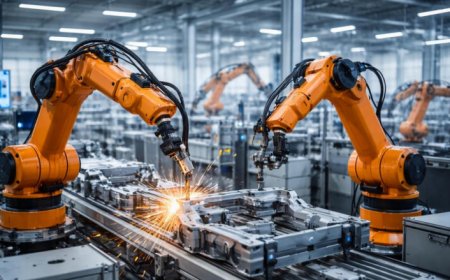
Robotics has taken center stage at CES 2026, highlighting a move from conceptual prototypes to practical, deployable machines. Attendees are encountering humanoid robots capable of performing complex tasks, autonomous delivery systems navigating crowded spaces, and collaborative machines that work alongside humans in professional environments.
This year’s robotics displays are not limited to novelty; they show clear business applications, including automated customer service, healthcare support, and industrial collaboration. The event underscores the fact that robotics is no longer a separate domain — it is integral to global technology strategies, bridging consumer convenience with industrial efficiency.
Wearables and Human-Centric Technology
CES 2026 also emphasizes technology designed around human needs. Wearables and personal devices are evolving to support health, productivity, and connectivity in new ways:
-
Health monitoring and AI guidance: Devices track wellness metrics while providing real-time insights and personalized recommendations.
-
Augmented experiences: AR glasses and mixed-reality wearables enhance learning, work, and entertainment.
-
Connected lifestyle ecosystems: Wearables now communicate seamlessly with smart homes, vehicles, and personal devices, creating a unified digital environment.
-
Adaptive design: Devices are increasingly flexible, intuitive, and integrated into daily routines without requiring additional effort from users.
This trend reflects a broader shift toward human-centric technology, where machines adapt to people rather than forcing people to adapt to machines.
Global Business and Industry Implications
The significance of CES 2026 extends beyond innovation — it is shaping global markets, investment trends, and industrial strategies. Companies unveiling breakthroughs attract investor interest, set production priorities, and influence competitive dynamics across industries.
The convergence of consumer tech with enterprise applications, from robotics in logistics to AI-driven manufacturing solutions, demonstrates that technological advancement now drives both economic growth and strategic differentiation. Nations, companies, and investors alike are tracking these developments to anticipate which technologies will define the next decade, where supply chains will adapt, and how industries will transform.
Looking Ahead
CES has always been a stage for imagining the future, but 2026 marks a clear turning point. This year’s event highlights the interconnection of AI, robotics, and human-centered design, revealing that the next wave of technology will not only automate processes but also reshape how people live, work, and interact.
For attendees and observers, CES 2026 is more than a showcase — it is a forecast of global technological priorities, signaling which sectors will grow, where innovation capital will flow, and how industries will be disrupted in the coming years. As the show continues, its influence will ripple across markets, policy discussions, and consumer expectations, making it one of the most consequential global events in technology this year.