


























China’s Guangdong launches initiative to help local fashion brands go global
Guangdong unveils a 2026-focused fashion initiative to help local brands expand globally, shifting from manufacturing strength to design, branding and cultural influence.

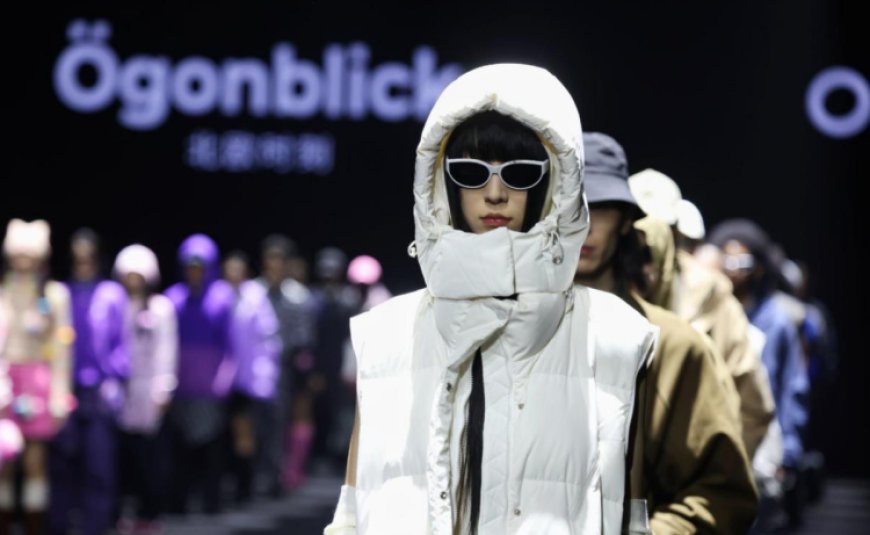
China’s southern economic engine, Guangdong province, has unveiled a 2026-focused fashion drive aimed at helping local fashion brands expand beyond domestic borders and establish a stronger international presence. Long recognised as the backbone of global apparel manufacturing, the province is now seeking to reposition itself as a source of original design, brand value and cultural influence, marking a strategic shift in China’s role within the global fashion ecosystem.
The drive, officially titled “Wear Guangdong: Fashion for the World,” was launched in Guangzhou on January 12, marking a concrete policy step in the province’s ambition to elevate local fashion brands onto the global stage. The programme brings together local government authorities, major online platforms and apparel manufacturers, creating an ecosystem aimed at reducing the barriers Chinese fashion brands face when entering overseas markets.
For Guangdong, the move represents both a strategic necessity and an opportunity. As traditional manufacturing margins tighten, cultivating globally competitive fashion labels offers a pathway to higher value creation, stronger cultural export and long-term resilience for one of China’s most important industrial regions.
From factory floor to fashion capital
Guangdong already occupies a central position in the global apparel supply chain. The province accounts for a significant share of China’s garment exports and hosts dense clusters of textile mills, garment factories and accessories suppliers, particularly in cities such as Guangzhou, Shenzhen and Dongguan.
For decades, this industrial depth has made Guangdong indispensable to international fashion brands, even as its own labels remained largely invisible outside China.
The new initiative reflects an effort to rebalance that equation. Provincial authorities have outlined measures to support original design, upgrade manufacturing capabilities and accelerate the internationalisation of local brands. Rather than serving primarily as an OEM and ODM hub, Guangdong aims to nurture fashion companies that control the full value chain — from concept and branding to global distribution.
Policy tools and industry support mechanisms
Under the 2026 programme, local governments are expected to roll out financial incentives, design incubation platforms and export facilitation measures to help fashion enterprises scale up internationally. Support will extend to participation in overseas fashion weeks, international trade fairs and cross-border e-commerce platforms, lowering entry barriers for mid-sized and emerging brands.
Manufacturing upgrades form another pillar of the initiative. Authorities are encouraging investment in smart manufacturing, sustainable materials and digital supply-chain management, enabling brands to meet rising global standards on quality, speed and environmental compliance. This is particularly significant as international buyers increasingly scrutinise traceability, labour standards and carbon footprints alongside price and design.
Strategic significance for China’s fashion ambitions
The Guangdong initiative is emblematic of China’s broader ambition to move up the global fashion value chain. While China remains the world’s largest apparel producer, it has historically captured a smaller share of branding and design-led profits compared with European and American fashion houses.
By fostering globally recognisable labels, policymakers aim to retain more value domestically and strengthen China’s soft power through fashion and lifestyle exports.
For the global industry, the shift could alter competitive dynamics. As Chinese brands gain design credibility and international visibility, they may increasingly compete not only on price and speed, but also on aesthetics, storytelling and cultural relevance. Guangdong’s strong logistics infrastructure and proximity to major ports further enhance its ability to support rapid global expansion.
Outlook: challenges and opportunities ahead
Despite the momentum, the road to global brand recognition is not without obstacles. Building international fashion brands requires long-term investment, creative risk-taking and deep understanding of overseas consumer markets — areas where many manufacturers are still developing expertise. Geopolitical tensions, trade barriers and evolving consumer sentiment toward “Made in China” labels also pose potential headwinds.
Yet the outlook remains broadly positive. With policy backing, industrial scale and a growing pool of domestic designers, Guangdong is well positioned to experiment, learn and iterate. If successful, the 2026 initiative could mark a turning point, transforming the province from the world’s wardrobe factory into a recognised fashion origin point and signalling a new chapter in China’s engagement with global style and branding.