































Gold Price Volatility: Safe-Haven Demand vs Fed Rate Expectations Amid Iran-Israel-US Conflict
Gold prices surge then retreat as Middle East conflict triggers safe-haven buying, but Fed rate expectations cap gains. Spot gold hits $5,420 before paring amid complex market dynamics.

Gold Price Volatility: Safe-Haven Demand vs Fed Rate Expectations Amid Middle East Conflict
New York/London — Gold prices initially climbed sharply this week as investors reacted to escalating geopolitical tensions linked to the war between the United States, Israel and Iran, but those early gains were largely pared back as traders grappled with shifting expectations around U.S. monetary policy. The precious metal's volatile swings reflect a complex interplay between safe-haven demand prompted by conflict and the influence of inflation and interest-rate expectations on global markets, creating a tug-of-war that has left traders uncertain.
In early trading, spot gold saw renewed buying interest as geopolitical risk spiked — with the ongoing Middle East conflict raising fears of broader economic disruption and higher energy prices that could ripple through global economies. Many investors traditionally turn to gold during times of crisis because it is regarded as a "safe-haven" asset that can protect wealth when equity markets and risk assets tumble, preserving value when other investments falter.
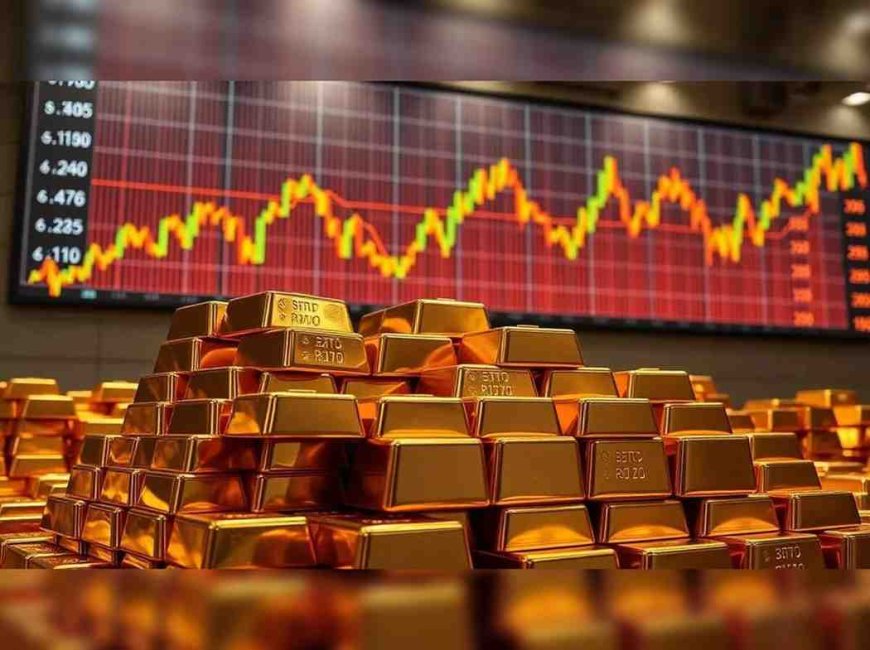
This flight to safety initially boosted gold prices to multi-session highs, briefly lifting spot bullion to above around $5,420 per ounce before giving back some of those gains as other factors came into play.
The Conflict's Market Impact
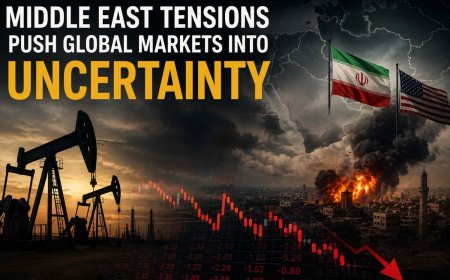
The conflict's impact on global markets has been substantial and multifaceted. Military operations in the Middle East have helped push oil prices higher as traders worry about potential disruptions to energy supplies, especially around critical chokepoints like the Strait of Hormuz — a key artery for oil shipments through which a significant portion of global crude flows. Higher crude prices tend to feed through into broader inflation pressures, which can influence central bank actions and sentiment toward risk assets like gold.
The Fed Factor
However, the rally in gold did not sustain its early momentum, illustrating the complexity of current market dynamics. As the session progressed, traders began to factor in evolving expectations for interest rates set by the U.S. Federal Reserve, which have become a counterweight to geopolitical fears.
Rising oil prices and geopolitical uncertainty have complicated the Fed's policy calculus significantly. While in calmer times markets had been pricing in possible rate cuts to stimulate the economy, the prospect of persistent inflation driven by higher energy costs is increasingly seen as a potential reason for the Fed to hold interest rates steady for longer, or even consider hikes.
Gold does not pay interest, so expectations of a strong or rising U.S. dollar — which often accompanies tighter monetary policy — can weigh on bullion prices. When the greenback strengthens, gold becomes more expensive for holders of other currencies, which can dampen demand and limit upside potential.
In recent sessions, the dollar has found support amid speculation that the Fed will be cautious about rate cuts, reducing some of the upward thrust that geopolitical anxiety had lent to gold.
The Tug-of-War Continues
The tug-of-war between safe-haven flows and monetary policy expectations has kept markets on edge, with prices swinging on each new headline. On one hand, physical demand for gold and gold-linked instruments such as exchange-traded funds has risen as investors hedge against continued geopolitical risk that shows no signs of abating.
Some analysts point out that bullion demand often accelerates when conflict expectations are high, especially if tensions appear likely to persist rather than ebb quickly, as is currently the case.
On the other hand, central bank policy signals have introduced headwinds that cap gains. Data showing resilient inflation and labor markets in the U.S. have bolstered the case that the Fed may remain cautious about loosening monetary conditions too soon. Such caution can support the dollar and dampen yields for non-yielding assets like gold — tempering some of the recent gains sparked by geopolitical fear.
Regional Market Impact
In regional markets such as India, gold and other precious metals have also seen noticeable price movements amid the global backdrop of risk aversion. Domestic futures markets reflected heightened volatility as bullion prices surged in response to international safe-haven demand and then eased back as global monetary outlooks shifted, affecting local buyers.
Looking Ahead
The interplay between these forces means that gold's direction remains uncertain in the near term, with multiple scenarios possible. Prices have been trading in a relatively wide range, reacting sharply to headlines tied to the Iran conflict as well as economic data and comments from central bank officials.
Traders are watching key economic releases and central bank communication closely, as even subtle shifts in tone can rapidly alter market sentiment and send prices in new directions.
Analysts suggest several scenarios that could shape gold's trajectory:
If the conflict broadens and risks to energy supplies intensify further, safe-haven demand could return with renewed force, potentially driving prices higher.
Conversely, if inflation shows signs of moderating and central banks signal a clearer path to easing monetary policy, bullion could face headwinds that limit upside gains.
Also Read: Emotional Celebrations Mark Rashmika-Vijay’s Grand Udaipur Sangeet Night
Conclusion
For now, gold remains a barometer for both geopolitical anxiety and macroeconomic expectations — a symbol of how closely financial markets are tied to global events beyond traditional economic measures. Its price swings reflect the uncertain times we live in.
Gold's wild ride: Safe-haven demand battles Fed expectations. $5,420 hit and retreated. What's next?