































East Africa Advances Regional Oil Refinery Plan to Strengthen Energy Security and Cut Import Reliance
East African nations plan a regional oil refinery to cut fuel imports, boost energy security, strengthen collaboration, and drive economic growth

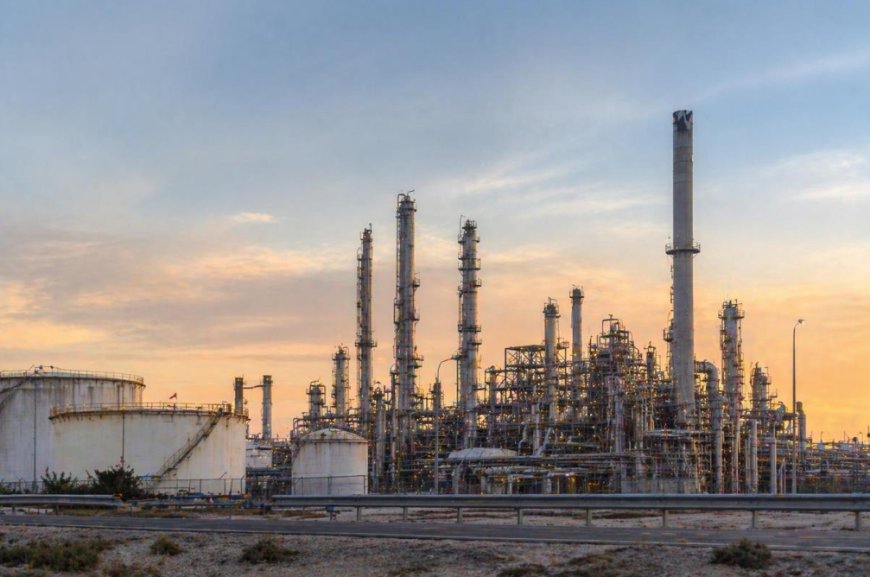
A major shift in Africa’s energy strategy is underway as East African nations move forward with plans to establish a regional oil refinery aimed at reducing dependence on imported fuel and strengthening long-term energy security. The proposal, led by regional governments including Kenya and Tanzania, reflects a coordinated effort to address structural vulnerabilities exposed by global supply disruptions and rising geopolitical risks.
The initiative was recently highlighted by William Ruto, who confirmed that discussions are progressing among multiple East African countries to develop a shared refining facility. The refinery is expected to be located at Tanzania’s strategic Tanga port, positioning it as a key hub for regional energy distribution.
The timing of the project is significant. Global energy markets have been destabilized by geopolitical tensions, particularly disruptions linked to the Iran conflict, which have increased fuel costs and exposed the risks of heavy reliance on imports. Against this backdrop, East Africa’s refinery plan represents both a defensive and strategic response to evolving global energy dynamics.
Regional Collaboration and Project Framework
The proposed refinery is being developed as a collaborative effort among several East African nations, including Kenya, Tanzania, Uganda, South Sudan, and the Democratic Republic of the Congo. This regional approach reflects a growing recognition that energy security challenges require collective solutions rather than isolated national strategies.
The choice of Tanga port in Tanzania as the potential site underscores the importance of logistics and connectivity. The location offers access to both inland markets and international shipping routes, making it a natural hub for refining and distribution.
In addition to government involvement, the project has attracted interest from private sector players. Aliko Dangote, Africa’s wealthiest businessman and the force behind the continent’s largest refinery, has expressed willingness to lead the project if agreements are finalized. His participation could bring technical expertise and financial strength, significantly accelerating the project’s timeline.
Strategic Rationale: Reducing Import Dependence
A central objective of the refinery initiative is to reduce East Africa’s reliance on imported refined petroleum products. Currently, many countries in the region depend heavily on imports, making them vulnerable to price volatility, supply disruptions, and currency fluctuations.
Recent global events have underscored these risks. Supply chain disruptions linked to geopolitical tensions have led to sharp increases in fuel prices and periodic shortages. By developing local refining capacity, East African nations aim to insulate themselves from such external shocks and ensure a more stable supply of energy.
The refinery is also expected to improve trade balances by reducing import bills and retaining more value within the region. Instead of exporting crude and importing refined products, countries can process resources domestically, capturing greater economic benefits and strengthening their industrial base.
Investment, Capacity, and Timeline
While detailed specifications of the proposed refinery are still under discussion, early indications suggest that it will be a large-scale facility designed to meet regional demand. Aliko Dangote has indicated that, with sufficient government backing, the refinery could be completed within four to five years.
The project is expected to require substantial investment, potentially involving a mix of public funding, private capital, and international partnerships. The scale of the investment reflects the complexity of building modern refining infrastructure, which requires advanced technology, skilled labor, and robust regulatory frameworks.
Parallel developments in the region highlight the broader momentum toward energy infrastructure expansion. For instance, Uganda is advancing plans for its own refinery project in partnership with UAE-based investors, indicating a multi-pronged approach to addressing energy needs.
Economic and Geopolitical Implications
The establishment of a regional refinery could have far-reaching economic and geopolitical implications. Economically, it would support industrial development, create jobs, and enhance energy affordability. Lower fuel costs could stimulate growth in sectors such as transportation, manufacturing, and agriculture.
From a geopolitical perspective, the project reflects a shift toward greater self-reliance and regional integration. By reducing dependence on external suppliers, East African nations can strengthen their negotiating position in global energy markets and reduce exposure to geopolitical risks.
The initiative also aligns with broader trends across Africa, where countries are increasingly investing in domestic refining capacity. The success of projects like Nigeria’s Dangote refinery has demonstrated the potential for large-scale infrastructure to transform regional energy dynamics and reduce import dependence.
Conclusion
East Africa’s move to develop a regional oil refinery marks a significant step toward achieving energy security and economic resilience. By addressing structural weaknesses in the current energy system, the initiative has the potential to reshape the region’s economic landscape and reduce vulnerability to global shocks.
Looking ahead, the success of the project will depend on effective coordination among participating countries, timely investment, and the ability to navigate regulatory and logistical challenges. While the timeline remains ambitious, strong political commitment and private sector involvement could drive progress.
In a world increasingly defined by energy uncertainty and geopolitical volatility, East Africa’s refinery plan represents a forward-looking strategy. If successfully implemented, it could serve as a model for regional cooperation and sustainable development, reinforcing the importance of self-reliance in an interconnected global economy.