





























U.S. Business Activity Rebounds as War-Driven Inflation Surges to Multi-Year Highs
U.S. business activity rebounds as inflation surges due to war-driven energy costs, raising concerns over growth, consumer spending, and Fed policy outlook.


The United States economy is showing signs of renewed momentum even as inflationary pressures intensify sharply, highlighting a complex and fragile macroeconomic landscape.
According to the latest S&P Global data, the U.S. Composite Purchasing Managers’ Index (PMI) rose to 52.0 in April 2026, up from 50.3 in March, signaling a return to expansion after a period of stagnation.
However, this recovery is unfolding alongside a surge in inflation, with businesses reporting the fastest rise in output prices since mid-2022 and input costs hitting an 11-month high.
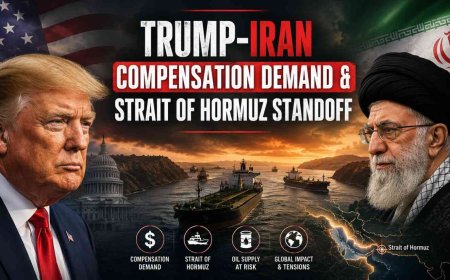
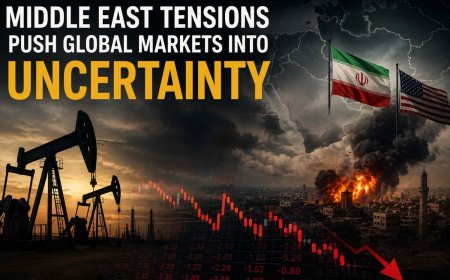
The sharp increase in prices is largely attributed to escalating geopolitical tensions, particularly the Iran-related conflict, which has disrupted global supply chains and driven energy costs significantly higher.
This dual dynamic—moderate economic expansion combined with rising inflation—poses a significant challenge for policymakers, businesses, and consumers alike. While growth indicators provide some optimism, the inflation spike raises concerns about sustainability, purchasing power, and the future direction of monetary policy in the world’s largest economy.
Rebound in Business Activity and Economic Momentum
The April PMI data indicates that U.S. economic activity has regained some traction after slowing earlier in the year. A PMI reading above 50 signals expansion, and the jump to 52.0 suggests that both manufacturing and services sectors are contributing to renewed growth.
Manufacturing activity has been a key driver of this rebound, with the sector reaching a 47-month high PMI of 54.0, supported by increased production and stockpiling. Businesses have ramped up output in anticipation of continued supply disruptions, reflecting a precautionary response to geopolitical instability and rising costs.
Despite this improvement, the broader economic outlook remains cautious. Analysts note that the recovery is not indicative of strong, sustained growth. Instead, it reflects a temporary rebound influenced by short-term factors such as inventory buildup and supply chain adjustments rather than robust demand-driven expansion.
Inflation Surge and Cost Pressures
The most striking aspect of the latest data is the sharp escalation in inflationary pressures across the U.S. economy. Input costs for businesses have surged due to rising prices of energy, raw materials, and transportation, driven largely by disruptions in global oil supply chains.
The ongoing Middle East conflict has played a central role in this development. Disruptions in the Strait of Hormuz—a critical route for global oil shipments—have pushed fuel prices significantly higher, feeding directly into production and logistics costs.
These cost increases are being passed on to consumers, resulting in higher output prices. Reports indicate that selling prices have risen at the fastest pace in nearly four years, signaling a broad-based inflationary trend across both goods and services sectors.
Impact on Consumers and Market Sentiment
The surge in inflation is beginning to weigh heavily on consumer sentiment and spending behavior. Rising fuel costs, along with higher prices for everyday goods and services, are eroding purchasing power and creating financial strain for households.
Recent data shows that U.S. consumer sentiment has dropped sharply, with inflation expectations rising significantly. Year-ahead inflation expectations have climbed to around 4.7%, reflecting growing concern among consumers about future price levels.
This deterioration in sentiment has important implications for economic growth. Consumer spending accounts for a significant portion of U.S. GDP, and any sustained decline in confidence could dampen demand, offsetting gains in business activity and slowing the overall economic recovery.
Federal Reserve Policy Dilemma
The combination of rising inflation and moderate economic growth presents a complex challenge for the Federal Reserve. Policymakers must balance the need to control inflation with the risk of stifling economic expansion through higher interest rates.
Recent surveys suggest that the Fed is likely to delay interest rate cuts, with many economists now expecting policy easing to be postponed until late 2026. The persistence of inflation, particularly driven by external factors such as energy prices, has reduced the urgency for rate reductions.
At the same time, Federal Reserve officials have acknowledged that geopolitical developments are contributing to inflationary pressures. Rising energy costs are already feeding into broader price levels, complicating efforts to achieve the central bank’s target inflation rate of 2%.
Outlook
The latest data on U.S. business activity and inflation paints a picture of an economy at a crossroads. While the return to expansion offers some reassurance, the rapid rise in inflation underscores the fragility of the recovery and the risks posed by external shocks.
Looking ahead, the trajectory of the U.S. economy will depend heavily on the evolution of global geopolitical conditions, particularly in energy markets. Continued disruptions could sustain high inflation, forcing policymakers to maintain restrictive monetary policies for longer than anticipated.
In the broader context, the current situation highlights the interconnected nature of global economies. Events in distant regions can have immediate and profound impacts on domestic economic conditions. As the U.S. navigates this period of uncertainty, the balance between growth and stability will remain a defining challenge for policymakers, businesses, and consumers alike.