































Gilead to buy Germany's Tubulis for up to $5 billion to boost cancer pipeline
Gilead’s $5 billion Tubulis deal highlights rising investment in targeted cancer therapies and the growing importance of innovation in global oncology

Global pharmaceutical giant Gilead Sciences has announced its plan to acquire German biotech firm Tubulis GmbH in a deal valued at up to $5 billion, marking a significant move in the rapidly evolving oncology sector. The acquisition is aimed at strengthening Gilead’s cancer drug pipeline, particularly in the emerging field of targeted therapies known as antibody-drug conjugates (ADCs), often described as “guided missiles” for their precision in attacking cancer cells.
The transaction includes an upfront payment of $3.15 billion, along with up to $1.85 billion in milestone-based payments, reflecting both the scale of the investment and the strategic importance of Tubulis’ technology. The deal is expected to close in the second quarter of 2026, subject to regulatory approvals.
This acquisition underscores a broader transformation in the global pharmaceutical industry, where companies are increasingly investing in next-generation therapies to address unmet medical needs. As competition intensifies, strategic partnerships and acquisitions are becoming critical tools for innovation and growth.
Strategic Rationale Behind the Acquisition
Gilead’s decision to acquire Tubulis is driven by its ambition to expand its oncology portfolio and reduce dependence on its legacy revenue streams. The company has been actively seeking growth opportunities beyond its core antiviral business, particularly as it faces declining revenues from COVID-19 treatments and patent expiries.
Tubulis brings with it advanced expertise in antibody-drug conjugates, a class of therapies that combine the targeting ability of antibodies with the cancer-killing power of chemotherapy. These therapies are designed to deliver drugs directly to cancer cells while minimizing damage to healthy tissue, making them one of the most promising areas in oncology research.
Gilead CEO Daniel O’Day described the acquisition as a “significant milestone” in the company’s oncology strategy, emphasizing its potential to enhance what he called the company’s “strongest and most diverse pipeline to date.” The move reflects a long-term commitment to innovation and leadership in cancer treatment.
Tubulis’ Technology and Drug Pipeline
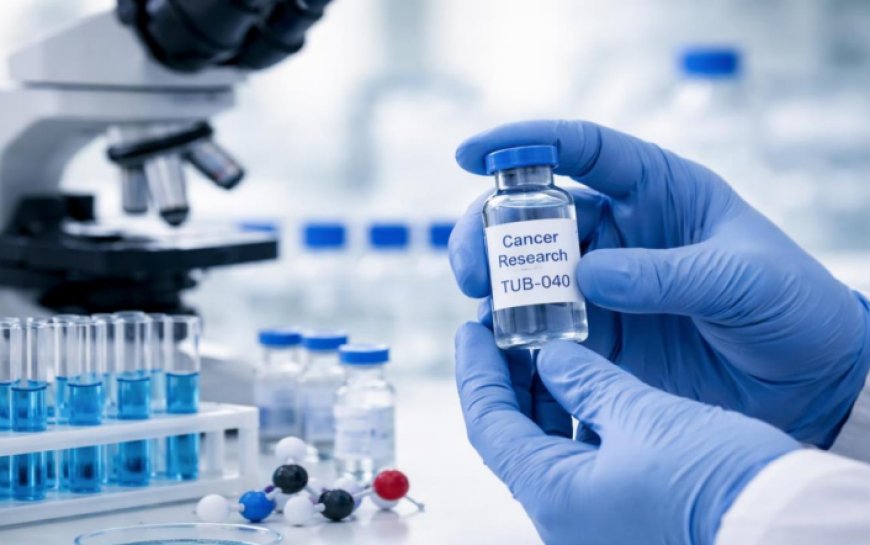
At the core of the acquisition is Tubulis’ cutting-edge ADC platform, which has been gaining attention for its potential to revolutionize cancer treatment. The company’s lead candidate, TUB-040, targets the NaPi2b protein and is currently in early-stage clinical development for ovarian cancer and non-small cell lung cancer.
Another promising asset, TUB-030, is being evaluated across multiple solid tumor types, offering potential applications in a wide range of cancers. These therapies represent a shift toward precision medicine, where treatments are tailored to specific biological targets within the body.
The scientific approach behind ADCs has been likened to guided missiles, delivering highly potent drugs directly to tumor cells while sparing healthy tissues. This precision not only improves treatment efficacy but also reduces side effects, making ADCs a key focus area for pharmaceutical innovation.
Financial Structure and Market Reaction
The financial structure of the deal reflects a balanced approach to risk and reward. Gilead will pay $3.15 billion upfront, with additional payments tied to the achievement of specific clinical and commercial milestones. This structure allows the company to align its investment with the success of Tubulis’ drug development programs.
The acquisition will be financed through a combination of existing cash reserves and debt instruments, highlighting Gilead’s strong financial position. With substantial free cash flow, the company is well-equipped to pursue large-scale strategic investments.
Market reaction to the announcement has been mixed, with Gilead’s stock showing slight volatility in early trading. While some investors have expressed concerns about the scale of spending, others view the acquisition as a necessary step to secure long-term growth in a competitive industry.
Industry Trends and Competitive Landscape
Gilead’s acquisition of Tubulis is part of a broader wave of consolidation in the pharmaceutical industry, particularly in the field of oncology. Companies are increasingly competing to acquire innovative biotech firms that can provide access to cutting-edge technologies and drug candidates.
Recent deals, including Gilead’s own acquisitions of Arcellx for $7.8 billion and Ouro Medicines for over $2 billion, highlight the scale of investment being directed toward cancer and immune therapies. These transactions reflect a strategic shift toward high-growth, high-impact areas of medicine.
The focus on ADCs is especially noteworthy, as the technology is seen as a key driver of future cancer treatments. Major pharmaceutical companies are investing heavily in this space, leading to increased competition and rapid advancements in research and development.
Outlook
Gilead’s $5 billion acquisition of Tubulis marks a significant milestone in the global pharmaceutical industry, underscoring the growing importance of precision oncology. As companies race to develop more effective and targeted cancer therapies, strategic investments like this are likely to become increasingly common.
In the near term, the success of the acquisition will depend on the progress of Tubulis’ clinical programs and the ability to translate scientific innovation into commercial success. The milestone-based structure of the deal reflects both the opportunities and uncertainties inherent in drug development.
Looking ahead, the transaction highlights a broader trend toward innovation-driven growth in healthcare. As the industry continues to evolve, companies that can effectively combine scientific expertise with strategic investment will be best positioned to lead the next generation of medical breakthroughs.