




























The New Frontier of Style: Digital Fashion Takes Over Runways, Games and Retail
Digital fashion is transforming global style through virtual garments, gaming platforms and AI-led design, reshaping sustainability, retail and self-expression.

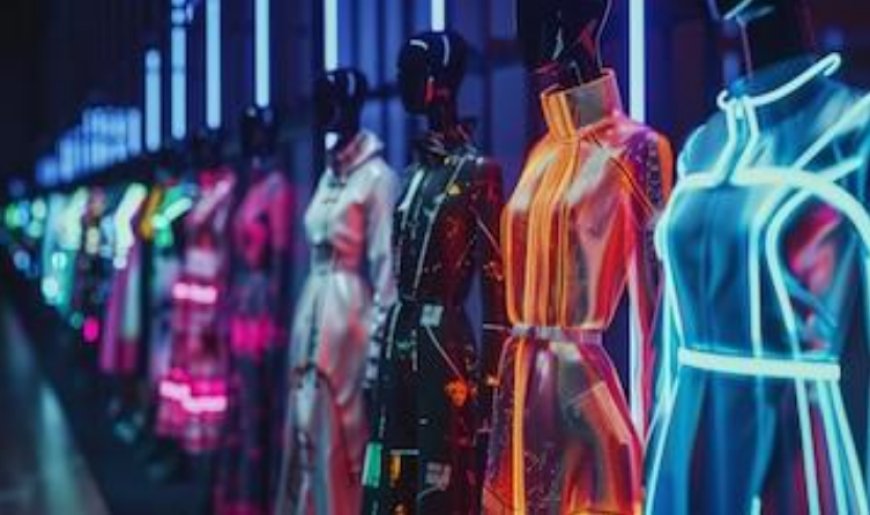
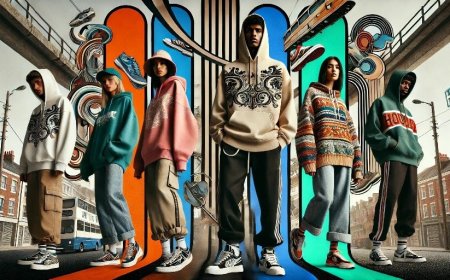
Digital fashion, once a niche experiment for futurists and game designers, is rapidly becoming one of the most dynamic shifts in the global style economy. Powered by 3D design software, AI-generated garments, and immersive virtual environments, this emerging field is redefining what fashion can be beyond the physical world. As consumers spend more time in digital spaces and brands seek sustainable alternatives to traditional production, the momentum behind virtual clothing is impossible to ignore.
Industry analysts project the global digital fashion market to grow exponentially in the next few years, driven by the rise of virtual worlds, gaming ecosystems, and the metaverse economy. What began as a novelty is now entering mainstream retail, luxury branding and creator-led commerce.
Fashion Beyond Fabric: The Rise of Virtual Wardrobes
The most striking aspect of digital fashion is that nothing is physically produced, yet consumers are willing to pay for it. Powered by advanced 3D modelling tools like CLO3D, Blender and Unreal Engine, brands can design garments that exist exclusively as digital files, wearable inside apps, social platforms, virtual try-ons or gaming avatars.
This movement exploded when digital fashion house The Fabricant sold a virtual dress for $9,500, marking one of the earliest high-value digital fashion transactions. Meanwhile, brands like Gucci, Balenciaga and Dolce & Gabbana have already released digital-only outfits, many selling for prices comparable to real couture pieces.
Consumers, especially Gen Z, increasingly value digital identity. A study by Roblox showed that over 50% of Gen Z feel that digital fashion is as important as physical style for expressing individuality. In worlds where millions interact daily, virtual wardrobes carry real cultural weight.
Gaming: The New Runway for Global Fashion
Gaming platforms have quietly become the largest fashion runways in the world. Fortnite, Roblox, and Zepeto host hundreds of millions of active users, making them fertile ground for apparel brands. Ralph Lauren, Nike, Tommy Hilfiger, Burberry and Balenciaga have already built permanent digital fashion ecosystems within these platforms.
-
Fortnite’s Balenciaga skins became a global sensation, blending high fashion with immersive 3D worlds
-
Nike’s NIKELAND in Roblox has drawn over 30 million visitors, showcasing the power of interactive brand experiences
-
Zara and H&M have tested digital-only collections to study consumer behaviour in virtual retail environments
For fashion houses, this space offers unmatched reach: a digital outfit in Fortnite may be seen by more people in a single weekend than a physical runway show reaches in an entire season.
Sustainability Reimagined: Fashion Without Waste
Digital fashion arrives at a time when sustainability is no longer optional. The traditional fashion industry accounts for:
-
10% of global carbon emissions
-
92 million tonnes of textile waste annually
-
Massive water consumption in production
By contrast, digital garments have near-zero material waste, no shipping footprint, and no unsold inventory. This environmental advantage is one of the biggest drivers of interest.
Brands are also using digital fashion to reduce physical prototypes. Companies like Adidas, Puma and Levi’s now design early collections in 3D to cut down on material sampling, a process that historically wastes millions of garments annually.
Digital fashion also opens doors for circular retail models: virtual try-on tools reduce returns, and digital-only drops prevent overproduction. As the climate conversation intensifies, virtual fashion is being recognised not only as a creative frontier but as a powerful sustainability strategy.
Designers and AI Rewrite the Rulebook
Artificial intelligence has added rocket fuel to the digital fashion boom.
AI tools can now generate hyper-realistic textures, custom silhouettes and full virtual collections within minutes. Platforms like DALL·E, Midjourney and Fashable AI are being used by designers to conceptualize aesthetics impossible to achieve physically—liquid fabrics, gravity-defying shapes, and kaleidoscopic materials that shift with movement.
Fashion schools are adapting too. Parsons School of Design, London College of Fashion and Istituto Marangoni have already launched modules in virtual couture, AR retail and avatar styling.
This democratizes fashion creation. Independent designers can sell digital outfits without materials, factories or logistics, unlocking a new generation of creative entrepreneurs.
A New Era of Style Takes Shape
Digital fashion is no longer a futuristic concept; it is a rapidly expanding frontier reshaping how style is created, consumed and circulated. As virtual worlds grow, gaming becomes a cultural stage and sustainability pressures intensify, digital garments are expected to play an increasingly central role in global fashion.
For brands, it is a strategic shift. For designers, a creative revolution.
And for consumers, it is the next evolution of identity—one that blends the physical and digital into a seamless expression of self.