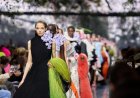
New York Fashion Week Fall 2026 concluded yesterday, wrapping up six days of runway presentations, industry showcases and celebrity-studded events that reaffirmed the city’s enduring influence in the global fashion calendar. Held across Manhattan’s traditional venues and reimagined creative spaces, the season brought together heritage houses, emerging designers, international buyers and cultural icons, marking what many industry observers described as one of the most commercially grounded yet creatively cohesive editions in recent years.
The Fall 2026 schedule featured over 70 runway shows and presentations, drawing editors, retailers and influencers from more than 40 countries. Organisers reported strong international attendance, underscoring renewed confidence in the American fashion market. The week unfolded against a backdrop of cautious optimism in the luxury sector, with brands navigating shifting consumer sentiment while reaffirming craftsmanship and brand identity.
Ralph Lauren’s Fall 2026 show stood among the defining moments of the week, showcasing equestrian-inspired tailoring, fluid evening gowns and cinematic staging that reinforced the brand’s legacy of American glamour. The front row included Anne Hathaway, Ariana DeBose, Lana Del Rey and Emilia Jones, whose presence amplified the collection’s global visibility. Lauren described the line as “a celebration of confidence rooted in heritage,” a statement that echoed the broader mood of the week.
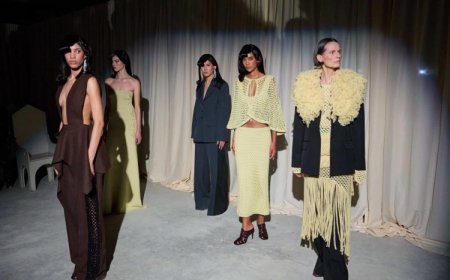
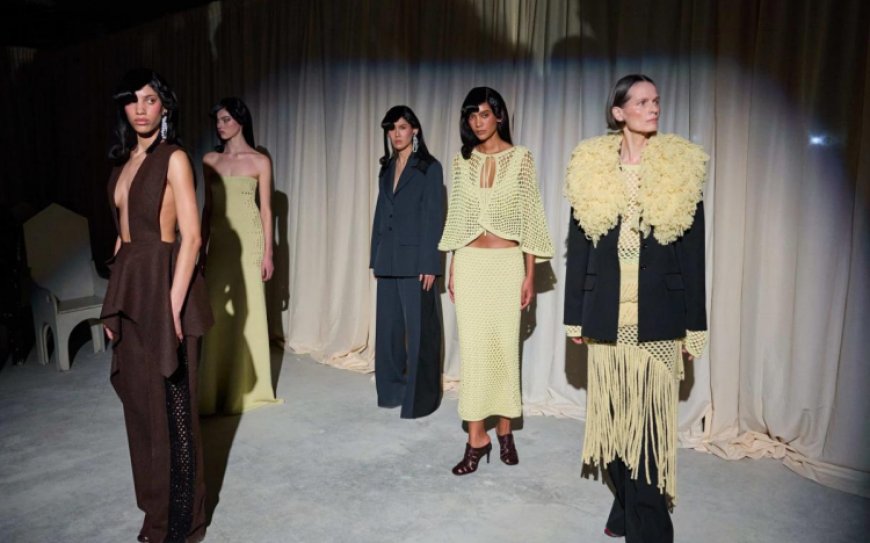
Michael Kors also commanded attention with a collection that leaned into urban sophistication, presenting sharply tailored coats, high-slit dresses and monochrome layering that captured the pulse of metropolitan style. Kors remarked backstage that Fall 2026 was about “strength and sensuality coexisting,” a sentiment reflected in streamlined silhouettes and confident proportions.
Tommy Hilfiger returned with a presentation that fused classic Americana with contemporary athleticism. Nautical stripes, varsity jackets and elevated denim formed the backbone of a collection designed to resonate with younger consumers while preserving brand DNA. Hilfiger emphasised the importance of evolving heritage, stating that “American style is always about reinvention.”
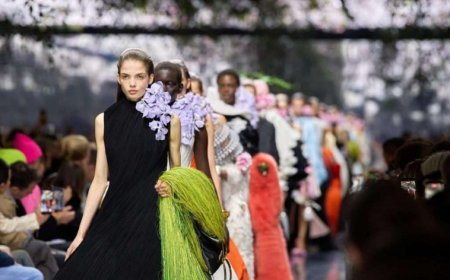
Carolina Herrera’s runway radiated refined femininity, featuring dramatic capes, sculptural sleeves and bold floral motifs. Creative director Wes Gordon highlighted the collection’s focus on “romantic clarity,” pointing to structured eveningwear and saturated color palettes that drew enthusiastic responses from buyers and editors alike.
Beyond established houses, emerging designers played a pivotal role in shaping the week’s narrative. Independent labels introduced experimental textures, sustainable fabrics and gender-fluid silhouettes, reflecting broader industry conversations about inclusivity and environmental responsibility. Several designers incorporated recycled textiles and low-impact dyes into their collections, aligning with the growing emphasis on responsible production practices.
Sustainability emerged as a recurring theme throughout the week. Panel discussions and side events addressed supply chain transparency, carbon reduction commitments and circular fashion models. Industry executives noted that Fall 2026 collections increasingly balance aesthetic ambition with measurable environmental accountability.
Celebrity influence remained a powerful force. Zendaya, Timothée Chalamet, Gigi Hadid and Lupita Nyong’o were among high-profile attendees who generated significant social media engagement. Fashion analysts observed that celebrity appearances continue to drive brand exposure, particularly in an era where digital impressions translate directly into consumer demand.
Retail buyers described the season as commercially pragmatic. Investment pieces — tailored outerwear, versatile knitwear and structured handbags — dominated order lists. Analysts indicated that retailers are prioritising longevity and craftsmanship over trend volatility, responding to consumers who seek timeless staples amid economic uncertainty.
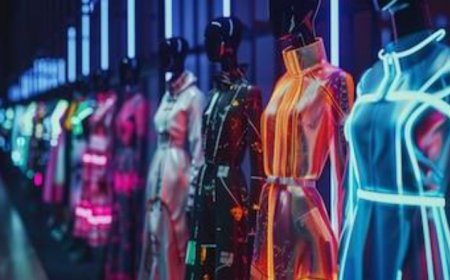
The week also highlighted technology’s growing role in fashion. Several brands integrated digital showrooms and augmented reality previews, allowing global audiences to engage remotely. Livestreamed presentations attracted millions of views, reinforcing New York Fashion Week’s hybrid physical-digital model.
According to preliminary industry estimates, the economic impact of Fall 2026 New York Fashion Week is expected to exceed previous seasons, benefiting hospitality, retail and media sectors across the city. Hotels reported high occupancy rates, and restaurants near key venues experienced increased traffic throughout the week.
Despite competition from European fashion capitals, New York maintained its distinctive identity — practical, diverse and commercially attuned. Industry leaders remarked that the city’s strength lies in its ability to balance creativity with business acumen, a duality evident across Fall 2026’s presentations.
As the final shows concluded and designers took their bows, the overarching sentiment was one of recalibrated confidence. New York Fashion Week Fall 2026 did not chase spectacle for its own sake; instead, it delivered collections rooted in craftsmanship, authenticity and strategic foresight.
The close of the season marks not merely the end of a fashion week but the continuation of an evolving dialogue about what American fashion represents on the global stage. With heritage houses reaffirming identity and emerging voices pushing boundaries responsibly, Fall 2026 will likely be remembered as a season that strengthened New York’s role as both creative incubator and commercial powerhouse.
In a fashion landscape defined by rapid change, New York Fashion Week’s latest edition demonstrated that longevity and innovation are not opposing forces but complementary pillars. As the industry shifts its focus to upcoming international shows, the reverberations of Fall 2026 in New York will continue to shape buying strategies, editorial narratives and consumer aspirations worldwide.