


































Urban India’s Evolving Food Habits: A Blend of Tradition, Health, and Innovation
Urban India is embracing fusion foods, healthier ingredients, slow cooking, and tech-driven choices, creating a balanced and innovative modern food culture.

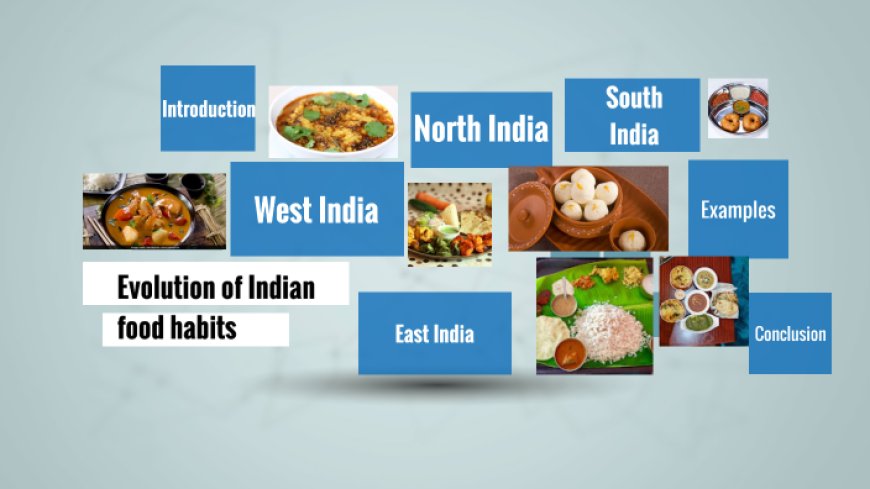
Urban India’s food habits are undergoing a significant transformation, marked by a growing emphasis on balance, health, and culinary innovation. Today’s urban diners are increasingly blending traditional Indian flavors with global cuisine, creating a unique fusion that reflects both cultural pride and modern tastes. Dishes like pesto parathas, millet bowls, and fermented foods are now common on restaurant menus and in home kitchens, signaling a shift toward mindful eating and holistic wellness.
The Rise of Fusion Cuisine
One of the most striking trends in India’s food scene is the fusion of Indian and global flavors. Urban Indians are experimenting with ingredients and techniques from around the world, resulting in dishes that are both familiar and exciting. For example, pesto parathas—flaky Indian flatbreads filled with Italian pesto—have become a popular street food item in cities like Mumbai and Delhi. Similarly, millet bowls, which combine the nutritional benefits of Indian millets with Mediterranean-style vegetables and dressings, are gaining traction among health-conscious consumers.
This fusion trend is not limited to street food. Upscale restaurants are also embracing the concept, offering menus that blend Indian spices with international culinary traditions. Diners can now enjoy dishes like paneer tikka tacos, biryani-stuffed pizzas, and masala chai lattes, all of which showcase the creativity and diversity of India’s food culture. This culinary innovation is driven by a desire to explore new flavors while staying rooted in Indian culinary heritage.
Focus on Health and Wellness
The shift toward healthier eating is evident in the growing popularity of plant-based proteins, fermented foods, and gut-friendly ingredients. Urban Indians are increasingly aware of the importance of nutrition and are making conscious choices to improve their overall health. Plant-based proteins, such as tofu, tempeh, and legumes, are being incorporated into traditional Indian dishes, providing a nutritious alternative to meat and dairy.
Fermented foods, such as yogurt, kimchi, and idli, are also gaining attention for their health benefits. These foods are rich in probiotics, which support gut health and boost immunity. As a result, restaurants and home cooks are experimenting with fermented ingredients, creating dishes that are both delicious and beneficial for health. For example, idli, a staple South Indian breakfast, is now being served with global twists, such as kimchi-stuffed idli or yogurt-based dipping sauces.
Slow Cooking and Fresh Juices
Another notable trend is the return to slow cooking and the use of fresh, locally sourced ingredients. Urban Indians are rediscovering the joys of cooking at home, taking the time to prepare meals that are both nutritious and flavorful. Slow-cooked curries, stews, and dals are making a comeback, as people seek comfort and connection through food. This trend is also reflected in the growing popularity of fresh juices and smoothies, which are seen as a healthy alternative to sugary beverages.
Restaurants are adapting to these changing preferences by offering menus that feature slow-cooked dishes, fresh juices, and smaller portion sizes. This allows diners to enjoy a variety of flavors without overindulging, making dining out a more balanced and enjoyable experience. The emphasis on fresh, wholesome ingredients is also driving the growth of farm-to-table restaurants and organic food markets, which cater to health-conscious consumers.
Guilt-Free Desserts and Holistic Dining
The concept of “guilt-free” desserts is gaining traction in urban India, as people seek sweet treats that are both delicious and nutritious. Restaurants are responding by offering desserts made with natural sweeteners, whole grains, and healthy fats. For example, desserts like chia seed puddings, oatmeal cookies, and fruit-based sorbets are becoming popular alternatives to traditional sweets.
This shift is part of a broader trend toward holistic dining, where the focus is on creating a balanced and nourishing experience. Restaurants are curating menus that feature a mix of plant-based proteins, fermented foods, and guilt-free desserts, making dining out a holistic experience rather than just a treat. This approach is resonating with urban Indians, who are increasingly mindful of their food choices and their impact on health and well-being.
The Role of Technology and Innovation
Technology is playing a key role in shaping India’s food habits, with mobile apps and online platforms making it easier for people to access healthy food options. Food delivery apps are offering a wide range of healthy and plant-based meals, while fitness apps are providing personalized nutrition plans and meal recommendations. This integration of technology is helping urban Indians make informed choices about their food and lifestyle.
Conclusion
The transformation of food habits in urban India is a reflection of the country’s evolving lifestyle and values. As people become more health-conscious and open to culinary innovation, the food scene is becoming more diverse, nutritious, and enjoyable. From fusion cuisine and plant-based proteins to slow cooking and guilt-free desserts, urban Indians are embracing a holistic approach to food that balances tradition with modernity. This shift is not only improving health and well-being but also enriching the culinary landscape of India.