





























Surgeon Issues Serious Warning Over Common Diet Mistake Linked to Liver Disease
Surgeons warn that high-fat processed diets significantly increase risk of liver disease and liver cancer. Non-alcoholic fatty liver disease (MASLD) from poor diet can progress to cancer over time.

Surgeon Warns: This Common Dietary Mistake Raises Liver Disease and Liver Cancer Risk
New York — Growing rates of liver disease and liver cancer globally — particularly among people with obesity and metabolic risk factors — have put a spotlight on lifestyle and dietary habits that were once considered secondary causes of liver damage. Medical experts now say that one of the biggest diet-related mistakes many people make could be contributing to serious liver damage that may ultimately progress to cancer, often without any warning signs until it's too late.
According to gastrointestinal surgeons and hepatology specialists, the problem isn't just what people eat occasionally, but how persistent dietary patterns laden with unhealthy fats and processed foods strain the liver over time — increasing inflammation, fat buildup, and cellular changes that elevate long-term cancer risk in ways that may not be reversible.
Why Diet Matters for Liver Health
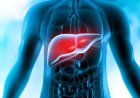
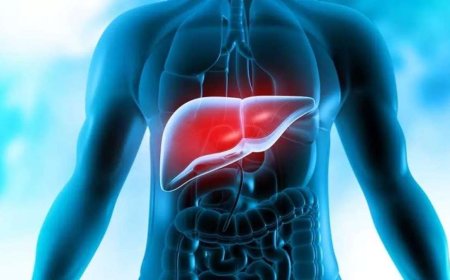
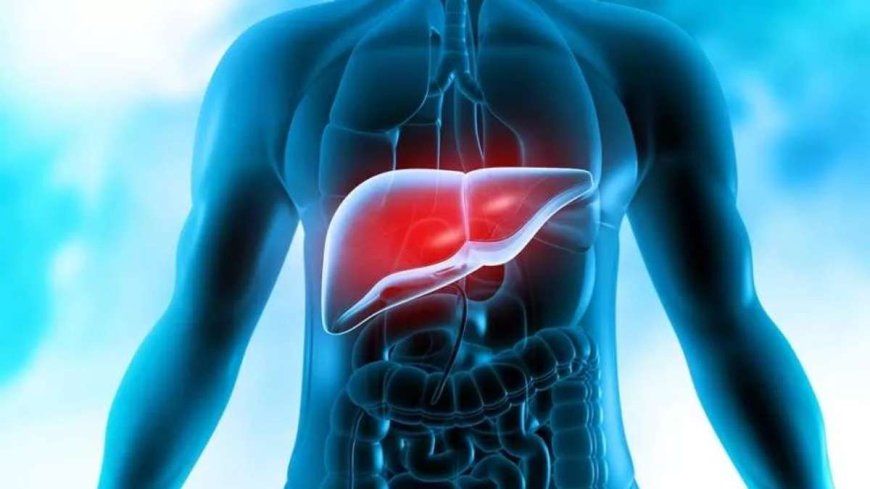
The liver is one of the body's most vital organs, performing hundreds of essential functions that keep us alive. It filters toxins from the blood, metabolises fats and carbohydrates, produces bile to aid digestion, stores energy in the form of glycogen, and plays a central role in immune function that protects against disease. However, because the liver rarely gives early warning signs when under stress, many people don't realise they have early liver dysfunction until significant damage has already occurred and treatment options are limited.
One key condition linked to diet and liver disease is non-alcoholic fatty liver disease (NAFLD) — recently redefined in medical literature as metabolic dysfunction–associated steatotic liver disease (MASLD) to better reflect its causes. This condition, often driven by obesity, diabetes and poor dietary habits, occurs when excess fat accumulates in liver cells and interferes with normal function. Over time, it can progress to inflammation, scarring (fibrosis), cirrhosis and, eventually, liver cancer through a cascade of damage.
The Dietary Mistake: Too Much Unhealthy Fat
Leading surgeons now stress that consuming diets high in unhealthy fats, especially from ultra-processed and ultra-refined sources, is a major contributor to liver pathology that is largely preventable. Although fat itself is not inherently dangerous, the type and amount matter enormously for liver health outcomes.
In particular, high-fat diets that rely heavily on processed meats, fried foods and saturated fats are linked with more aggressive fat deposition in the liver and higher risk of malignant changes over time. These foods overwhelm the liver's metabolic capacity, forcing it to store excess fat rather than process it properly.
Recent research from institutions like the Massachusetts Institute of Technology found that prolonged exposure to a high-fat diet can push liver cells into a stressed state, reversing many of their normal functions and making them more vulnerable to genetic damage and cancerous transformation. In experimental models, such diets were associated with near-universal development of liver cancer over time, demonstrating the powerful impact of dietary choices.
While many people avoid alcohol because they know it can harm the liver, experts underline that non-alcoholic causes of liver disease are rising rapidly — largely due to dietary habits, obesity and metabolic dysfunction that have become epidemic in modern societies.
What Foods to Avoid and Why
Although individual risk can vary based on genetics, age and other health conditions that are beyond our control, several types of foods and eating behaviours are widely recognised as detrimental to liver health and should be limited:
Deep-fried and processed foods – These are typically high in unhealthy trans fats and saturated fats, which the liver has difficulty processing and are easily stored as fat in liver cells, leading to fatty liver disease.
Sugary drinks and added sugars – Drinks laden with high-fructose corn syrup or other added sugars lead to spikes in blood sugar and insulin. The liver converts excess sugar into fat, worsening fatty liver disease and promoting inflammation that damages tissue.
Excess saturated fats and red meat – Diets heavy in saturated fats and red meats have been associated with increased liver fat and other metabolic risk factors that can accelerate disease progression toward cirrhosis and cancer.
In contrast, replacing these with plant-derived fats like olive oil and certain other healthy sources does not show the same harmful effect and may be associated with a lower rate of cancer growth, even in people with obesity who are already at higher risk.
Better Dietary Choices for Liver Protection
Doctors and dietitians recommend focusing on whole, minimally processed foods that support liver function rather than stressing it. Incorporating more of the following into daily meals may help protect liver health over the long term:
Leafy greens and cruciferous vegetables – These are rich in antioxidants and compounds that reduce oxidative stress in the liver, helping to neutralise damage.
Whole grains and fibre-rich foods – Fibre helps regulate blood sugar and improve metabolic health, reducing fat build-up in the liver by improving insulin sensitivity.
Healthy proteins and fats – Fish, legumes and plant-based oils offer important nutrients without the same risk profile as processed meats, supporting liver function.
Experts also urge regular physical activity, weight management and monitoring for metabolic conditions like diabetes, all of which interact closely with diet to influence liver health and can amplify or reduce dietary impacts.
A Long-Term Perspective
Because the progression from dietary liver damage to liver cancer often happens over years or decades, many health professionals emphasise that the best time to protect your liver is now — not after symptoms begin when intervention is more difficult. Early dietary changes, combined with lifestyle support and regular health checks, can dramatically lower the likelihood of advanced liver disease and liver cancer later in life.
Also Read: Leica Introduces Powerful Leitzphone Based on Xiaomi 17 Ultra With Physical Camera Ring
Conclusion
The link between diet and liver health is clear: what we eat matters enormously for this vital organ. By avoiding processed foods and unhealthy fats while embracing whole foods, we can significantly reduce our risk of liver disease and cancer.
Protect your liver with every meal. The choices you make today determine your health tomorrow.