





















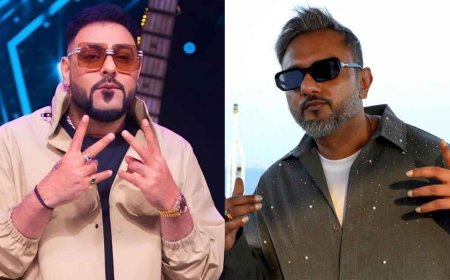







Major Crackdown: Delhi High Court Orders Removal of Honey Singh–Badshah Song ‘Volume 1’
The Delhi High Court ordered the removal of Yo Yo Honey Singh and Badshah’s song “Volume 1”, citing vulgar and derogatory lyrics lacking artistic value.

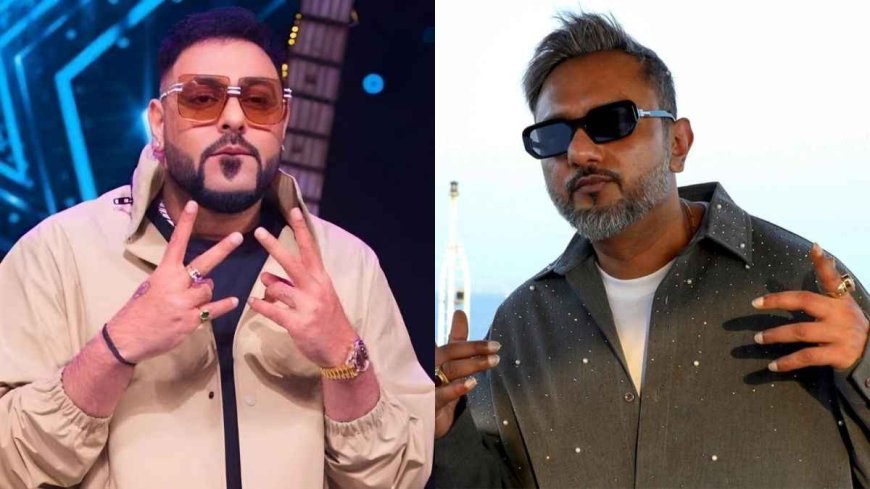
Delhi High Court Orders Removal of Yo Yo Honey Singh and Badshah’s Song ‘Volume 1’ Over Obscene Lyrics
In a significant development, the Delhi High Court has ordered the immediate removal of a controversial song linked to popular rappers Yo Yo Honey Singh and Badshah, citing serious concerns over obscenity and derogatory content. The ruling has sent shockwaves through the music industry.
The directive, issued on April 2, 2026, pertains to the track “Volume 1”, which the court found to contain lyrics that are “grossly vulgar, obscene and derogatory towards women.” The bench, led by Justice Purushaindra Kumar Kaurav, took a strong stance after personally reviewing the song, noting that the content lacked any artistic or social value and failed to meet basic standards of decency.
According to reports, the judge listened to the song in his chambers before delivering the verdict and expressed shock at the language used. The court observed that such material, especially when easily accessible online, could negatively influence listeners, including minors. It emphasized that content of this nature cannot be allowed to circulate freely on digital platforms.
The petition that triggered the case argued that despite the song being released years ago—when both artists were relatively less prominent—it continues to be widely available across streaming services and social media. The petitioner raised concerns about its impact on public morality and its alleged disrespectful portrayal of women.
Taking these arguments into account, the court ordered that all versions of the song be taken down immediately from online platforms, including music streaming services and social media channels. The ruling also directed authorities and intermediaries to ensure strict compliance, effectively mandating a complete digital purge of the track.
In a notable remark highlighting the severity of the issue, the court stated that the content was so objectionable that even reproducing parts of it in the judicial order would be inappropriate. This underscores the extent to which the bench found the lyrics offensive and unacceptable.
During the proceedings, it was also pointed out that while both Yo Yo Honey Singh and Badshah have distanced themselves from the song at times, there have been instances—such as live performances—where parts of the track were reportedly performed, adding complexity to the case. This raised questions about ongoing accountability.
The court has allowed the petitioner to flag any additional links or uploads of the song that may still be accessible, ensuring ongoing monitoring and enforcement of the order. The matter is expected to come up for further hearing in May, indicating that the legal scrutiny around the issue is far from over.
This ruling has reignited the broader debate around censorship, artistic freedom, and accountability in the music industry. While some argue that creative expression should be protected, others believe that content promoting misogyny or explicit language must be regulated, especially in the digital age where reach is vast and instantaneous.
The case also adds to the history of controversies surrounding lyrics in the Indian music scene, particularly in genres like rap and pop, where artists have often faced criticism over explicit or provocative content. This ruling may set a precedent for future cases.
Also Read: Apple Avoids Import Ban on New Apple Watch as US Tribunal Rules in Its Favor
With the court taking a firm stance, the order sends a clear message that content deemed offensive or harmful—regardless of when it was created—can still face legal consequences if it continues to circulate and influence audiences. The decision has been welcomed by activists and criticized by some free speech advocates.