
































Apple Avoids Import Ban on New Apple Watch as US Tribunal Rules in Its Favor
Apple avoids import ban as US tribunal backs redesigned Apple Watch, easing patent tensions with Masimo and securing its wearable market position.

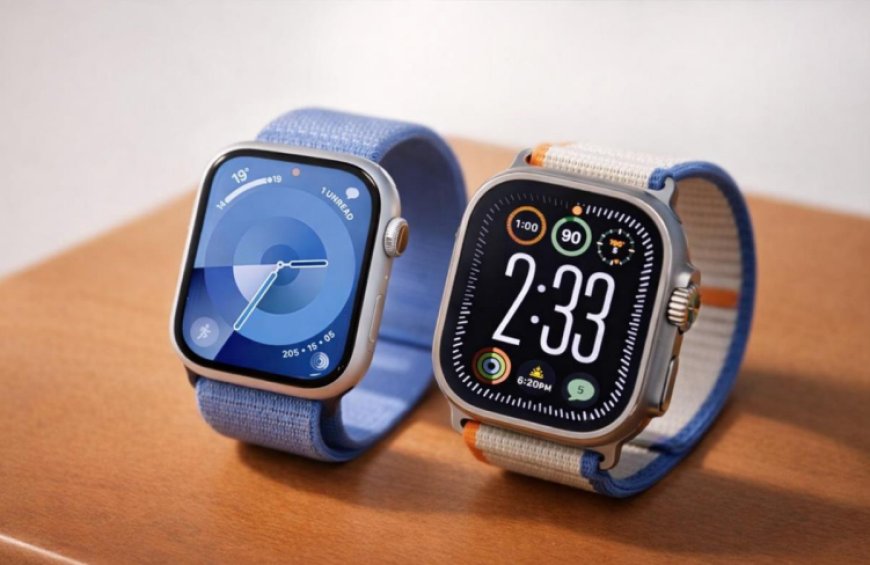
A significant development in the global technology and legal landscape has emerged as Apple secured a crucial preliminary victory in its long-running patent dispute over the Apple Watch. A United States trade tribunal ruled that the company’s redesigned smartwatches do not infringe patents held by medical technology firm Masimo, effectively rejecting an attempt to impose a fresh import ban on Apple’s devices. This decision allows Apple to continue importing and selling its updated watches in one of its most important markets, reinforcing the company’s position in the global wearable technology sector.
The ruling represents a pivotal moment in a multi-year legal battle that has revolved around blood-oxygen monitoring technology, a key health feature in modern smartwatches. While earlier versions of the Apple Watch were found to infringe Masimo’s patents, prompting a ban in 2023, Apple responded by redesigning its products to comply with regulatory requirements. The latest judgment confirms that these modifications have, at least preliminarily, succeeded in avoiding further violations.
Beyond the immediate legal implications, the case highlights the growing intersection of healthcare technology and consumer electronics. As companies increasingly integrate medical-grade features into wearable devices, disputes over intellectual property have become more frequent and complex. The Apple–Masimo conflict thus reflects broader tensions in an industry where innovation, competition and legal frameworks are deeply intertwined.
Background of the Apple–Masimo Dispute
The origins of the dispute trace back to allegations by Masimo that Apple infringed its patents related to pulse oximetry technology, which measures blood oxygen levels. Masimo further accused Apple of hiring its employees and using proprietary knowledge to develop similar features for the Apple Watch. These claims led to a series of legal actions across multiple jurisdictions, marking one of the most high-profile intellectual property battles in the wearable technology space.
In 2023, the U.S. International Trade Commission ruled in favour of Masimo, finding that certain Apple Watch models including Series 9 and Ultra 2 violated its patents. As a result, the commission imposed an import ban on these devices in the United States, forcing Apple to halt sales and reconsider its product design. The decision underscored the seriousness of patent enforcement in the technology sector and posed a significant challenge to Apple’s business operations.
The dispute did not end with the ban. Masimo continued to pursue legal remedies, including additional lawsuits and challenges to Apple’s attempts to modify its devices. At the same time, Apple maintained that many of the claims were unfounded, stating that “dozens of false claims” had been brought against it over several years. This ongoing legal confrontation has evolved into a complex, multi-front battle involving courts, regulatory bodies and trade authorities.
Tribunal Ruling and Key Findings
The latest ruling by the U.S. trade tribunal marks a turning point in the dispute. An administrative law judge determined that Apple’s redesigned watches do not infringe Masimo’s patents, particularly those related to blood-oxygen monitoring. This finding led to the rejection of Masimo’s request for a new import ban, allowing Apple to continue its operations without immediate disruption.
A critical aspect of the decision lies in the technical modifications made by Apple. The redesigned watches no longer display blood-oxygen data directly on the device itself; instead, the information is processed and shown on connected devices such as the iPhone. This adjustment was key to the tribunal’s conclusion that the updated products fall outside the scope of the original patent infringement ruling.
However, the ruling remains preliminary and subject to review by the full commission. This means that while Apple has secured an important victory, the legal process is not yet complete. The outcome of the final review will determine whether the decision is upheld, modified or overturned, adding an element of uncertainty to the company’s future strategy.
Parallel Court Decisions and Legal Complexity
Adding to the complexity of the situation, a separate ruling by the U.S. Court of Appeals for the Federal Circuit upheld the original 2023 import ban on earlier Apple Watch models that were found to infringe Masimo’s patents. This dual outcome—where older models remain banned while redesigned versions are allowed—illustrates the nuanced nature of patent enforcement in the technology sector.
The coexistence of these rulings highlights the layered legal environment in which global technology companies operate. While Apple has successfully adapted its products to meet regulatory standards, it continues to face legal challenges related to past designs and alleged intellectual property violations. This creates a scenario in which compliance and litigation proceed simultaneously, requiring ongoing legal and strategic adjustments.
Furthermore, the dispute extends beyond the trade tribunal and appellate court. Masimo has also pursued legal action against U.S. Customs over its approval of Apple’s redesigned watches, while a separate jury verdict awarded Masimo $634 million in damages in another patent case. Apple has indicated its intention to appeal this decision, ensuring that the broader conflict remains unresolved.
Business and Industry Implications
The tribunal’s decision carries significant implications for Apple’s business operations, particularly in the United States, which remains one of its largest markets. By avoiding a new import ban, the company can continue selling its latest Apple Watch models without interruption, preserving a key revenue stream and maintaining its competitive position in the wearable technology market.
For the broader industry, the case underscores the importance of intellectual property rights in an era of rapid technological innovation. As companies integrate advanced health-monitoring features into consumer devices, the boundaries between technology and healthcare continue to blur, increasing the likelihood of patent disputes. The Apple–Masimo conflict serves as a cautionary example of the legal risks associated with such innovations.
The decision also reflects the growing role of regulatory bodies in shaping the competitive landscape. Trade tribunals and courts are increasingly influential in determining which technologies can be marketed and sold, making legal strategy as critical as product development. For companies operating in highly competitive sectors, navigating this regulatory environment has become an essential component of business success.
Conclusion
Apple’s victory at the U.S. trade tribunal represents a significant but not definitive step in its ongoing legal battle with Masimo. The ruling allows the company to continue importing and selling its redesigned Apple Watch models, providing short-term stability and reinforcing its position in the global wearable market. However, the preliminary nature of the decision and the existence of parallel legal proceedings mean that uncertainty persists.
Looking ahead, the outcome of the full commission’s review will be crucial in determining the long-term implications of the case. A confirmation of the ruling would solidify Apple’s ability to operate without further disruption, while any reversal could reignite challenges to its product strategy. At the same time, ongoing litigation in other courts ensures that the dispute will remain a focal point in the intersection of technology and intellectual property law.
More broadly, the case highlights the evolving dynamics of the technology industry, where innovation is increasingly accompanied by complex legal battles. As companies continue to push the boundaries of what consumer devices can do, the importance of intellectual property protection and the challenges of navigating it will only grow. In this context, Apple’s experience serves as both a precedent and a warning for the future of the industry.