




























The Global Shift Toward Balance and Mindfulness in 2025
In 2025, people worldwide are embracing mindful living, flexible work, sustainable choices, and emotional well-being to create more balanced, intentional lifestyles.

The world is witnessing a profound shift in lifestyle priorities, with 2025 marking a year where balance, mindfulness, and purposeful living have become central themes in daily life. Across continents, individuals are increasingly prioritizing their mental and physical well-being, opting for choices that foster a sense of harmony rather than relentless productivity. This transformation is evident in how people approach work, consumption, social interactions, and personal care, reflecting a collective move towards a more intentional and fulfilling way of living.
The Rise of Mindful Living
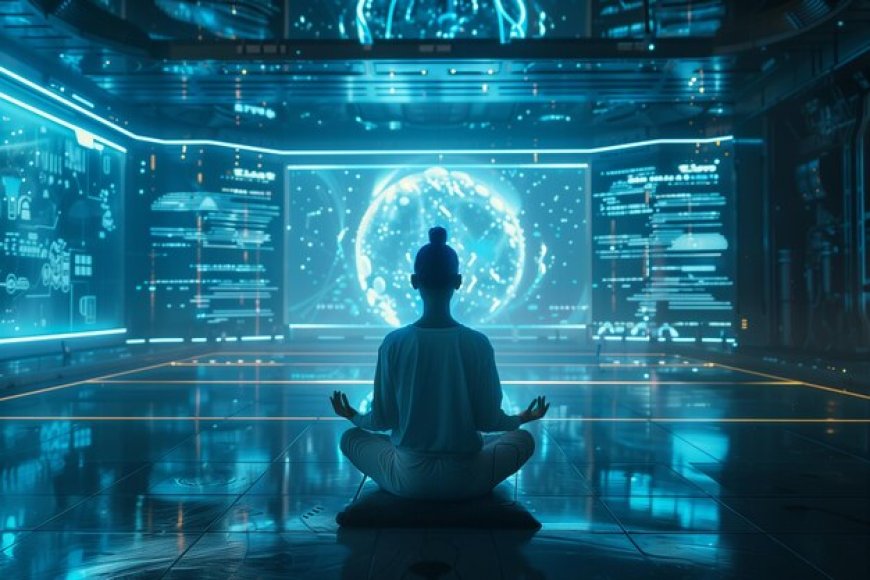
Mindfulness, once considered a niche practice, has now become mainstream. People are integrating techniques such as yoga, meditation, and breathwork into their routines, not only as tools for stress management but also as strategies for building emotional resilience and sharpening focus. These practices are no longer confined to wellness retreats or spiritual centers; they are part of everyday life, with apps, online classes, and workplace programs making them accessible to a broad audience. The emphasis is on cultivating presence—being fully engaged in the moment, whether at work, at home, or during leisure activities.
Flexible Work and Quality Time
The pandemic accelerated changes in work culture, and 2025 has seen the widespread adoption of flexible and hybrid work models. Employees are no longer tethered to traditional office hours and locations, allowing them to design schedules that better fit their personal needs. This flexibility has empowered individuals to spend more time with family, pursue hobbies, and engage in self-care activities. The result is a healthier work-life balance, where professional responsibilities coexist with personal fulfillment. Employers are also recognizing the benefits of these arrangements, reporting improved employee satisfaction, reduced burnout, and higher productivity.
Nutrition and Mindful Eating
Nutrition trends in 2025 are characterized by a growing awareness of the connection between diet and well-being. Plant-based diets, organic foods, and mindful eating are gaining popularity as people seek to nourish their bodies with wholesome, sustainable options. Mindful eating involves paying attention to the sensory experience of food, savoring each bite, and making conscious choices about what and how much to eat. This approach not only supports physical health but also enhances the pleasure and satisfaction derived from meals. Supermarkets and restaurants are responding to this demand by offering a wider range of plant-based and organic products, making it easier for consumers to make healthier choices.
Mental and Emotional Well-being
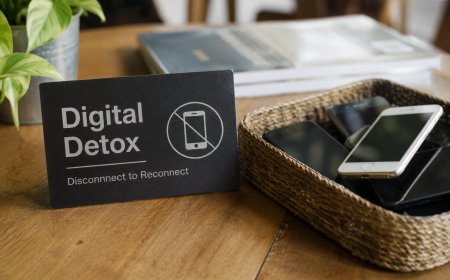
Mental health has become a priority, with more people seeking support and resources to manage stress, anxiety, and other emotional challenges. Digital detoxes, wellness-tracking apps, and time-management tools are helping individuals maintain healthier relationships with technology and manage their mental well-being. There is a growing recognition that mental health is as important as physical health, leading to increased openness about seeking help and discussing mental health issues. Support networks, both online and offline, are providing spaces for people to share experiences and find encouragement.
Sustainable Living and Ethical Consumption
Sustainability is a key factor in lifestyle choices, with consumers opting for eco-friendly products, reusable materials, and ethical fashion. Thrifting, upcycling, and minimalism are practical approaches to reducing waste and promoting responsible consumption. People are becoming more conscious of the environmental impact of their choices, from the clothes they wear to the products they buy. This shift is reflected in the rise of sustainable brands and the popularity of second-hand markets, as individuals seek to align their lifestyles with their values.
Social Connections and Community Engagement
Social interactions are being redefined, with a focus on smaller gatherings, community engagement, and meaningful connections. People are valuing quality over quantity in their relationships, seeking out supportive networks that encourage growth, empathy, and shared experiences. Community activities, from local events to online forums, are fostering a sense of belonging and connection. This trend is evident in both personal relationships and broader community initiatives, as individuals strive to build supportive networks that enhance their well-being.
The Impact on Work and Productivity
The shift towards balance and mindfulness is also influencing work environments. Companies are adopting policies that support employee well-being, such as flexible schedules, mental health days, and wellness programs. These initiatives are not only improving employee satisfaction but also enhancing productivity and creativity. By creating a culture that values balance and mindfulness, organizations are fostering a more engaged and motivated workforce.
The Role of Technology
Technology plays a dual role in this lifestyle transformation. On one hand, digital tools and apps are supporting mindfulness, wellness, and sustainable living. On the other hand, there is a growing awareness of the need to manage technology use to avoid burnout and maintain a healthy work-life balance. Digital detoxes and time-management tools are helping individuals set boundaries and prioritize their well-being.
Conclusion
The global shift towards balance and mindfulness in 2025 reflects a collective desire for a more intentional and fulfilling way of living. By prioritizing mental and physical well-being, embracing flexible work arrangements, and making conscious choices about consumption and social interactions, individuals are creating lifestyles that support their overall well-being. This transformation is not just a trend but a fundamental change in how people approach life, work, and relationships, setting the stage for a healthier, more balanced future.