

























WHO Verifies 13 Attacks on Health Facilities in Iran as Conflict Intensifies
WHO confirms 13 attacks on health facilities in Iran amid escalating conflict, raising global concerns over the safety of hospitals, medical staff and patients.

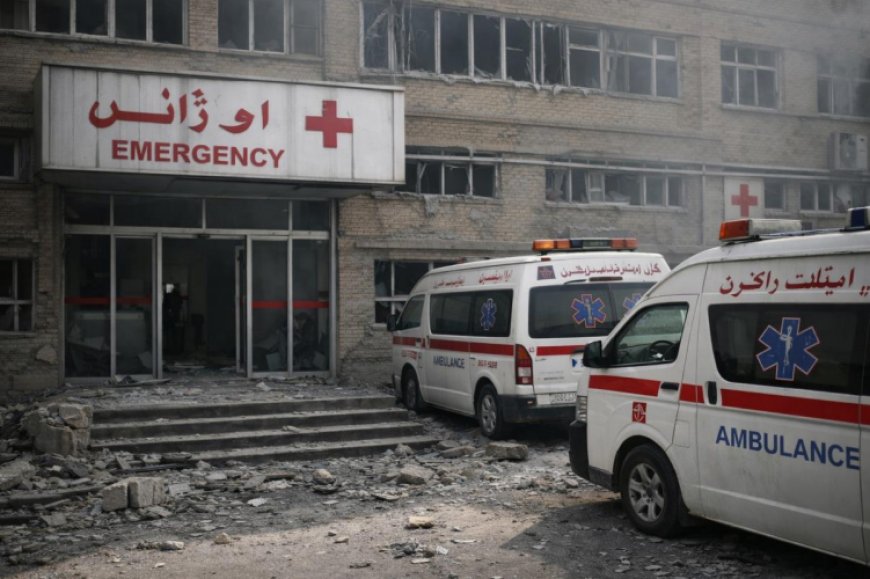
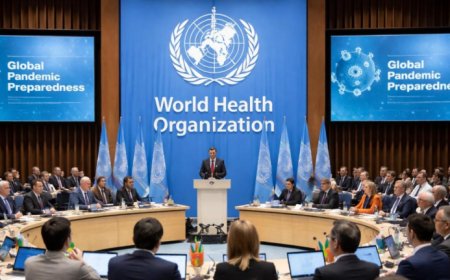
The World Health Organization has confirmed 13 verified attacks on healthcare infrastructure in Iran during the ongoing regional conflict, highlighting growing concerns over the safety of hospitals, medical personnel and emergency services. The confirmation was made during a press briefing in Geneva by WHO Director-General Tedros Adhanom Ghebreyesus, who stated that the agency had verified multiple incidents affecting healthcare sites across the country.
The announcement comes amid a wider escalation of military activity following a U.S.-Israeli campaign targeting sites inside Iran. WHO officials noted that the health sector has been increasingly affected by the spillover effects of strikes and nearby explosions, raising alarm about the humanitarian implications for civilians requiring urgent medical treatment.
Health agencies and humanitarian groups have repeatedly warned that attacks or damage to healthcare infrastructure during armed conflicts can severely disrupt emergency response systems and jeopardize access to life-saving care for thousands of civilians.
Medical Staff Casualties and Damage to Emergency Vehicles
According to WHO officials, the verified incidents have already resulted in four healthcare workers being killed and at least 25 others injured, reflecting the growing risks faced by medical staff operating in conflict zones.
Dr. Tedros said the WHO’s surveillance system had confirmed the attacks based on available reports but did not attribute responsibility for the incidents. The agency emphasized that protecting healthcare workers is a fundamental obligation under international humanitarian law.
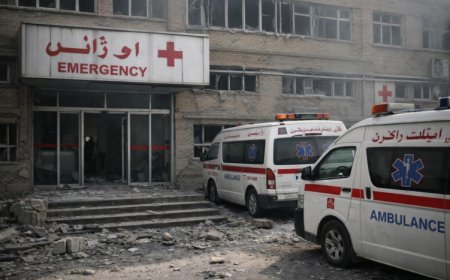
Additional details shared by WHO officials indicated that four ambulances were also affected in the incidents, further disrupting emergency medical services in several areas impacted by the fighting. Damage to emergency vehicles can significantly slow evacuation and treatment efforts during crises.
Hospitals Damaged and Patients Evacuated
Health facilities have also experienced structural damage as a result of nearby strikes. WHO Regional Director for the Eastern Mediterranean Hanan Balkhy said hospitals and other medical sites were impacted by explosions occurring in close proximity to healthcare buildings.
One hospital in the Iranian capital Tehran was evacuated after nearby blasts caused damage to parts of the facility, forcing medical staff to relocate patients and emergency equipment.
Such evacuations place additional pressure on already strained health systems during times of conflict.
WHO officials warned that even minor structural damage to hospitals can disrupt critical services including surgical care, trauma response and emergency admissions. The agency reiterated that healthcare facilities must remain protected spaces under international humanitarian law.
Conflicting Claims Over Extent of Attacks
Iranian authorities have claimed that the number of medical facilities affected could be higher than those verified by the WHO. In a communication to the UN health agency, Iran’s ambassador to the United Nations in Geneva stated that ten healthcare facilities had been struck by military action during the escalation.
The WHO said it continues to review reports and gather verified information through its monitoring system, which tracks attacks on healthcare in conflict zones worldwide. This verification process typically involves cross-checking reports from local authorities, humanitarian agencies and other independent sources.
International humanitarian organizations say such verification is critical because misinformation and conflicting claims often emerge during armed conflicts. Accurate documentation of attacks helps guide humanitarian response efforts and supports investigations into possible violations of international law.
Regional Humanitarian Operations Face Disruptions
The broader regional conflict has also begun affecting humanitarian logistics beyond Iran. WHO officials reported that the organization’s logistics hub in Dubai, which supplies medical aid to dozens of countries, has been temporarily disrupted due to transportation restrictions linked to the crisis.
The hub plays a crucial role in distributing emergency medical supplies, vaccines and humanitarian equipment across the Middle East, Africa and parts of Asia. Any disruption to this supply chain could slow the delivery of essential health resources to countries already facing emergencies.
WHO leaders have urged all parties involved in the conflict to respect international humanitarian law and ensure the protection of hospitals, medical personnel and patients. As fighting continues across multiple fronts in the region, global health agencies warn that safeguarding healthcare infrastructure will remain essential to preventing a deeper humanitarian crisis.