
































Sun Damage Starts Deep Below Skin Surface, New Dermatology Report Finds
New research reveals sun damage begins deep below the skin, involving inflammation and microbiome imbalance. Actinic Keratosis linked to hidden changes before visible signs.

Sun Damage Starts Deep Below Skin Surface, New Dermatology Report Finds
A new dermatology report suggests that the harmful effects of sun exposure may begin far deeper than previously believed—well below the visible surface of the skin—challenging traditional ideas about how sun damage develops. This could change the way we think about skin health.
According to recent findings highlighted in European Medical Journal, sun damage is no longer viewed as simply a result of ultraviolet (UV) rays affecting the outer skin. Instead, researchers are uncovering a far more complex process involving inflammation, immune system disruption, oxidative stress, and even changes in the skin’s microbiome. A complex process beneath the surface.
At the centre of this research is a condition known as Actinic Keratosis, often considered an early warning sign of skin cancer. Traditionally, this condition was linked mainly to long-term UV exposure causing direct DNA damage in skin cells. However, scientists now believe the process is much more layered and begins beneath the surface long before visible symptoms appear. Actinic Keratosis: hidden changes before visible signs.
Researchers explain that repeated sun exposure doesn’t just harm skin cells—it also disrupts the skin’s natural barrier and weakens local immune defenses. This creates an environment where harmful biological changes can take hold. One key discovery is the role of “cutaneous dysbiosis,” or an imbalance in the skin’s microbiome. Sun exposure disrupts barrier and immune defenses.
Healthy skin normally hosts a diverse range of beneficial microorganisms that help maintain balance and protect against disease. But in sun-damaged skin, this diversity decreases. Protective microbes are reduced, while potentially harmful bacteria—such as Staphylococcus aureus—become more dominant. This imbalance may actively contribute to disease development rather than simply being a side effect. Cutaneous dysbiosis: imbalance in skin microbiome.
The presence of such bacteria can trigger inflammatory and oxidative processes in the skin. These processes may interfere with DNA repair, increase cellular stress, and promote changes linked to early cancer formation. In other words, sun damage may silently progress beneath the skin through a cycle of inflammation and microbial imbalance before it becomes visible. Inflammation and imbalance drive hidden damage.
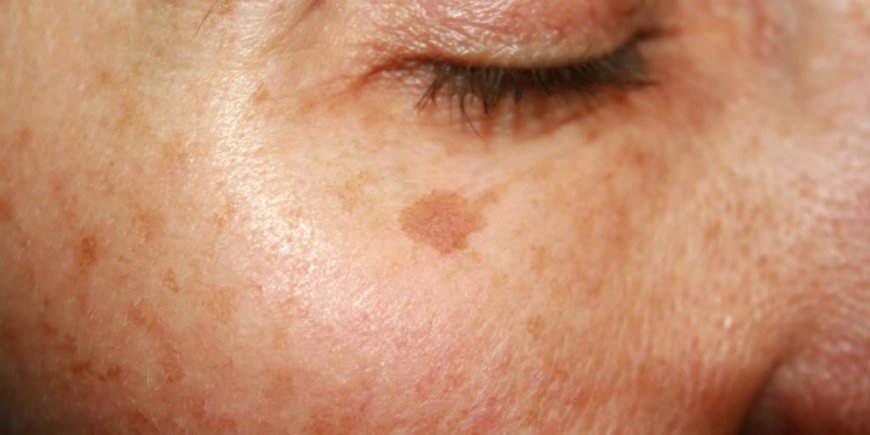
This emerging understanding aligns with the broader concept of “field cancerisation,” where large areas of sun-exposed skin undergo hidden molecular and cellular changes over time. By the time visible signs like rough patches, pigmentation, or lesions appear, underlying damage may already be well established. Field cancerisation: hidden changes over time.
Experts say these findings could significantly influence how sun-related skin conditions are diagnosed and treated. Instead of focusing only on surface-level damage, future therapies may also target inflammation and microbiome imbalances. This could open the door to earlier detection and more effective prevention strategies. New treatments targeting inflammation and microbiome.
The research also reinforces long-standing warnings about UV exposure. Sunlight is known to cause a range of skin issues—from premature ageing and wrinkles to more serious conditions like skin cancer—by damaging DNA and altering skin structure over time. UV exposure remains a major risk.
In conclusion, the idea that sun damage starts beneath the skin adds a new dimension to dermatology. It highlights that harmful changes may be developing silently, long before they are visible. As scientists continue to explore this deeper layer of damage, the findings underline the importance of consistent sun protection and early intervention to safeguard long-term skin health. Sun protection and early intervention are more important than ever. Protect your skin, from the surface down.