































WHO Issued Heightened Advisory Amid Global Rise in Respiratory Illnesses
WHO issues a heightened global advisory as influenza, RSV and other respiratory illnesses rise rapidly across the Northern Hemisphere, straining health systems.

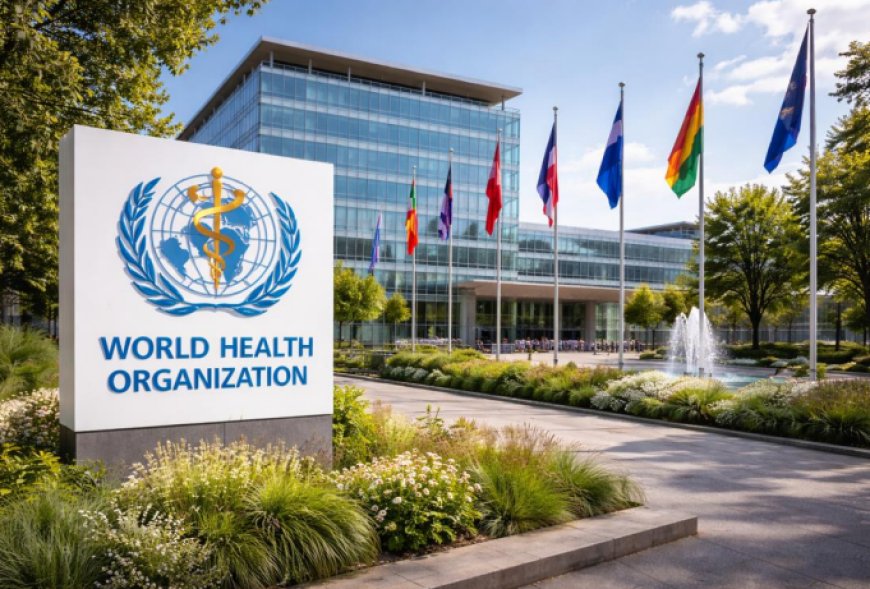
The World Health Organisation issued an updated global health advisory today following a marked increase in respiratory infections across the Northern Hemisphere. The advisory, released from the WHO headquarters in Geneva, warns governments and public-health authorities of a “converging wave” of respiratory viruses, including influenza, respiratory syncytial virus (RSV), rhinovirus and a rise in atypical pneumonia clusters reported in several regions.
WHO officials confirmed that monitoring centres across North America, Europe and parts of East Asia recorded a 22% rise in influenza-like illnesses over the past two weeks, with hospital admission rates climbing sharply in colder regions. The organisation urged countries to strengthen surveillance, expand diagnostic testing and ensure that hospitals prepare for heightened demand between February and early April, when peak overlaps are expected.
Surge Patterns and Regional Impact Intensify Concerns
WHO epidemiological data shared on Thursday indicated that the increase in respiratory illnesses has been more rapid than expected for the 2026 season. Several European countries reported hospital occupancy levels rising to between 78% and 85%, driven by severe flu complications and RSV-related cases in young children and older adults.
Public-health laboratories in the United States, Canada, Germany, France and Japan noted an early seasonal overlap between influenza A subtypes and RSV infections, a combination WHO warns could place added strain on emergency units. Officials explained that while individual virus trends remain within seasonal expectations, the simultaneous escalation across multiple pathogens poses broader health-system challenges.
Health ministries in affected countries have already begun issuing guidance advising residents to seek timely testing, particularly individuals with chronic respiratory or cardiovascular conditions. Some regions in Europe and North America are reporting extended waiting times in paediatric units, prompting local authorities to consider temporary operational adjustments such as extended clinic hours and increased workforce deployment.
WHO Calls for Strengthened Global Preparedness Measures
During a media briefing earlier today, the WHO’s Director of Epidemic Response emphasised that the organisation is urging member states to reactivate enhanced respiratory surveillance frameworks first introduced during the COVID-19 pandemic. These frameworks include wastewater monitoring, multiplex respiratory testing, real-time genomic sequencing and rapid reporting of viral clusters.
The advisory calls for countries to review supply levels of antiviral medications, oxygen support systems and paediatric intensive-care capacity. WHO officials noted that in several regions, procurement cycles for essential respiratory-care materials have not been fully aligned with seasonal upticks, increasing the risk of local shortages during peak circulation periods.
The organisation also underscored the need for high-risk groups including individuals above 60, young children, pregnant women and people with immune-compromised conditions to update influenza vaccinations immediately. Preliminary data from WHO’s regional partners show that vaccination uptake remains uneven, ranging from 28% to 51% across target populations, levels considered insufficient to mitigate seasonal surges.
Global Scientific Community Monitors Emerging Viral Patterns
The global research community is closely watching unusual transmission patterns identified in several regions. According to WHO technical experts, some northern countries have recorded early-season elevation in viral load density, a metric derived from molecular testing that measures how much virus is circulating within a population.
Although no new concerning variants have been detected, scientists continue to assess whether changing environmental conditions, post-pandemic immunity gaps, or global travel surges may be contributing to amplified seasonal spread. Several laboratories participating in WHO’s Global Influenza Surveillance and Response System reported preliminary findings suggesting that varying winter temperatures and fluctuating humidity levels may be influencing transmission dynamics this season.
In its statement, the WHO reminded countries that coordinated data-sharing and swift publication of genomic sequences remain essential to maintaining global situational awareness. The organisation stressed that early detection remains the strongest tool to ensure rapid response measures before national health systems become overwhelmed.
Public Health Messaging and Community Mitigation Efforts
National governments have begun issuing updated advisories aimed at guiding the public through the high-risk period. Health authorities from several countries are encouraging individuals to take precautionary measures such as mask-wearing in crowded indoor environments, staying home when symptomatic, and ensuring adequate ventilation in shared spaces.
WHO officials reiterated that these measures, while voluntary in most regions, remain effective at reducing respiratory virus transmission when applied consistently during peak-risk windows. Public-health communication efforts are also being strengthened in schools, elder-care settings, workplaces and public transport systems to reinforce early symptom reporting and prevention awareness.
Local health departments across multiple cities have confirmed plans to expand mobile vaccination units, particularly in underserved communities where uptake remains low. Governments have been advised to intensify messaging campaigns over the next four weeks, focusing on encouraging timely medical consultation for individuals experiencing severe respiratory difficulty, persistent fever or worsening symptoms.
Conclusion
The WHO’s heightened advisory reflects growing urgency as multiple respiratory illnesses converge across the Northern Hemisphere, presenting renewed pressure on health systems and testing capacities. With infection curves rising faster than seasonal predictions, global health authorities are preparing for an extended period of elevated caseloads, particularly affecting paediatric and elderly populations.
As countries evaluate the evolving trends in flu, RSV and related respiratory viruses, the WHO emphasises that early detection, consistent public-health measures and strengthened healthcare readiness remain critical to preventing system strain. The next several weeks will be crucial in determining the severity of the global respiratory season, with governments expected to implement enhanced mitigation strategies based on real-time data emerging from member states.