




























Iran Warns US Bases in Middle East Are 'Legitimate Targets' if Military Conflict Erupts
Iran warns UN that American military bases and assets across the Middle East would be legitimate targets if US attacks. Tensions escalate as Trump issues ultimatum on nuclear deal.

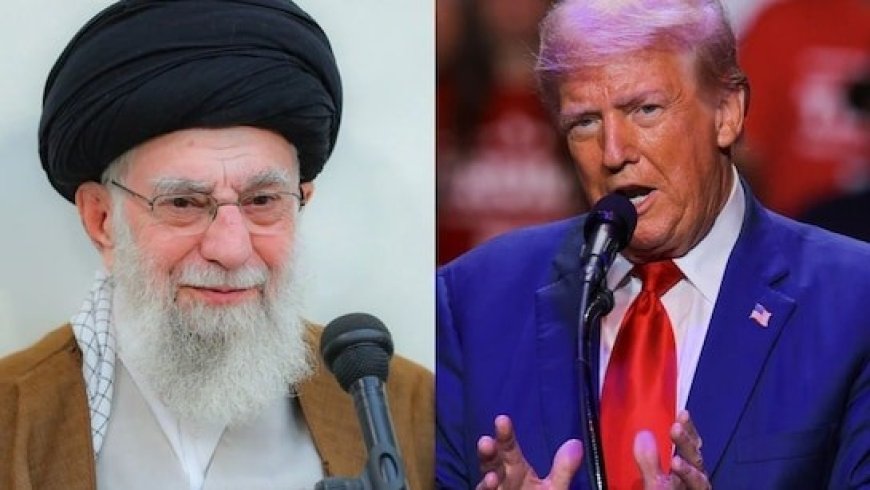
Iran Warns U.S. Bases and Assets Would Be 'Legitimate Targets' if Military Conflict Breaks Out
United Nations, New York — Iran has issued a stark warning that American military bases, facilities and assets across the Middle East would be considered legitimate targets if the United States carries out military action against Tehran, escalating one of the most serious diplomatic standoffs in the region in recent years. The message was delivered in writing to the United Nations as tensions between Washington and Tehran continue to mount over nuclear negotiations and military posturing that has brought the two nations closer to potential confrontation than at any point since the 2020 Soleimani strike.
In a letter addressed to U.N. Secretary-General Antonio Guterres and the president of the U.N. Security Council, Amir Saeid Iravani, Iran's ambassador to the United Nations, reiterated that while Tehran does not seek to start a war, it will defend itself forcefully if confronted with external aggression. The communication warned that any "hostile force" targeting Iranian territory would be met with a defensive response — and that all bases and assets of such forces in the region would be seen as lawful targets under international law.
Context of Rising Tensions
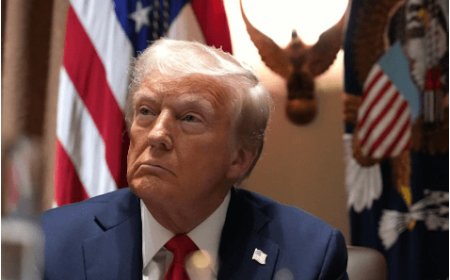
The warning comes against the backdrop of a tense diplomatic and military standoff between Tehran and Washington that has intensified in recent weeks, bringing the region to its most precarious moment in years. U.S. President Donald Trump has repeatedly issued public ultimatums to Iran, demanding that it secure a "meaningful deal" on its nuclear programme within a tight deadline — often cited as 10–15 days — or face unspecified consequences that officials have hinted could include military action.
As part of this posture, Washington has deployed warships, fighter jets and other military hardware to the Middle East in what officials describe as a deterrent effort but which Tehran interprets as preparation for potential strikes. The U.S. military buildup is described as the largest in the region in decades, with several carrier strike groups, advanced aircraft including F-22 and F-35 stealth fighters, and missile defences positioned strategically around Iran's borders and the Persian Gulf, creating a ring of American firepower.
Iranian leaders and diplomats have interpreted these moves as a serious threat of military intervention and have responded with a combination of diplomatic protests and forceful rhetoric aimed at deterring any attack while rallying domestic and international support.
In his letter to the U.N., Iravani cited a public social media post by Trump in which the U.S. president suggested the possible use of allied bases — including those in the United Kingdom and the Indian Ocean — should negotiations collapse and Washington decide to pursue military options. Iran described these remarks as an explicit threat of force and urged the Security Council to intervene to prevent further escalation, invoking the U.N.'s responsibility to maintain international peace and security.
Iran's Position: No War, but Prepared to Defend
While Tehran insists it is committed to diplomatic solutions and has engaged in talks with U.S. officials — including indirect discussions in Geneva that have produced some progress on framing issues — its official message underscores that Iran believes it has the right to defend itself under international law. The letter referenced Article 51 of the U.N. Charter, under which states have a right to self-defence if attacked, framing any potential Iranian response as legally justified rather than aggressive.
Iran said it neither desires war nor intends to initiate one but warned that military pressure or aggression would trigger a proportional response designed to impose costs on any attacker and demonstrate that aggression against Iran carries consequences. The letter emphasised that Iran has demonstrated restraint despite what it views as provocative U.S. actions.
"Iran does not seek tension or conflict," the letter stated, "but in the event of military aggression, we will respond decisively and proportionately in the exercise of our inherent right of self-defence." It added that any unpredictable and uncontrolled consequences of such a confrontation would be the responsibility of the United States, shifting accountability to Washington should conflict erupt.
Which Bases Could Be Targeted?
The threat encompasses a wide array of American military infrastructure throughout the Middle East that has been built up over decades of U.S. engagement in the region. Potential targets could include:
Al Udeid Air Base in Qatar, which hosts U.S. Central Command's forward headquarters and thousands of American personnel, serving as the nerve centre for U.S. operations across the region.
Naval Support Activity Bahrain, home to the U.S. Fifth Fleet, which patrols the Persian Gulf and Strait of Hormuz and would be central to any naval operations against Iran.
Camp Arifjan and other facilities in Kuwait, which serve as major logistics hubs for U.S. forces in the region and have been used for decades as staging areas.
Al Dhafra Air Base in the UAE, which hosts American fighter aircraft and refuelling assets critical to any sustained air campaign.
Erbil and Ain al-Asad bases in Iraq, where U.S. troops remain as part of the anti-ISIS coalition and which have previously been targeted by Iranian missile strikes.
Additionally, U.S. naval vessels in the Persian Gulf and Gulf of Oman would be within range of Iranian anti-ship missiles, and American personnel throughout the region could face threats from Iranian-backed militias.
International Reactions and Regional Risk
The threat that U.S. military installations could become targets if hostilities begin has reverberated across the globe, prompting concern among U.S. allies and regional actors alike who fear being caught in the crossfire of a major power confrontation. Nations with troops, command centres or logistical hubs in the Middle East — including Qatar, Bahrain, Kuwait and Iraq — are watching developments closely, with some already advising citizens to prepare for instability that could affect their territories.
Host nations face a difficult dilemma: they host American forces as part of security partnerships but do not want their territories to become battlegrounds for U.S.-Iran conflict. Their diplomatic efforts behind the scenes are focused on preventing escalation while maintaining their alliances.
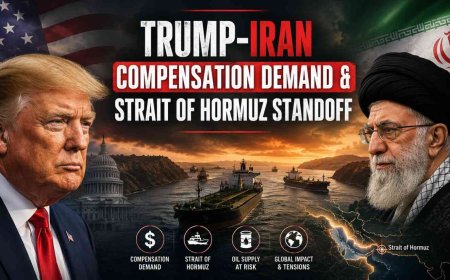
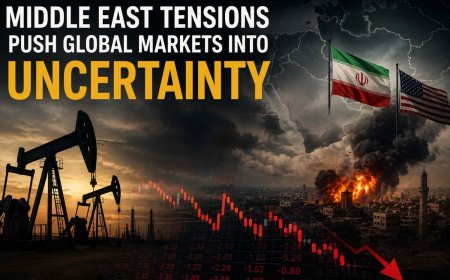
Oil markets have also been sensitive to the risk of wider conflict, with prices fluctuating in response to news of military deployments and diplomatic statements. The Strait of Hormuz, a critical shipping chokepoint for global energy supplies through which about 20% of the world's oil passes daily, has been a particular focus of concern amid fears that any miscalculation could disrupt oil flows and impact the world economy in ways that would be felt far beyond the region.
Diplomacy, Deadlines and Nuclear Talks
Despite the hostile language, both Tehran and Washington continue to emphasise that diplomatic channels remain open, creating a confusing picture where threats and negotiations proceed simultaneously. Recent indirect negotiations on Iran's nuclear activities — focused on reducing uranium enrichment levels and improving transparency — have been described by officials on both sides as "progressful" but far from finalised, with significant gaps remaining on key issues including inspection regimes and enrichment capacity.
The Iranian delegation has expressed cautious optimism about continued dialogue, even as Trump maintains a hard line on enforcement of demands and sets deadlines that create pressure for rapid progress. Whether these competing dynamics can be reconciled before the deadline expires remains uncertain.
The letter from Tehran to the U.N. also reiterated that Iran remains committed to clarifying ambiguities about its peaceful nuclear programme on a reciprocal basis, suggesting that Tehran is still interested in pursuing a negotiated outcome if possible and signalling that diplomacy remains open even as military preparations continue.
Also Read: Google Pixel 10a Launched in India at ₹49,999: Tensor G4, 120Hz Display, 5,100mAh Battery
A Precarious Moment in Global Security
The latest warning from Iran comes at a time of deep uncertainty and rising tensions in the Middle East, where the legacies of decades of conflict and competition continue to shape present realities. With both sides publicly asserting readiness to escalate if their red lines are crossed, the risk of misinterpretation or unintended conflict looms large over any diplomatic engagement.
Analysts warn that even a limited military exchange could quickly draw in other regional powers and destabilise a broader zone that has seen decades of conflict, potentially triggering wider war with unpredictable consequences. Iran's ability to strike U.S. bases, target Gulf oil infrastructure, and activate proxy forces across the region means that any conflict could rapidly expand beyond initial expectations.
As international diplomatic efforts continue — with the United Nations at the centre of debate — the coming days and weeks will be crucial in determining whether the situation moves toward negotiation or confrontation. The world watches closely, aware that a conflict between the United States and Iran, historically adversaries for more than four decades, could have profound global implications reaching far beyond the Middle East.
Iran warns. U.S. prepares. The world holds its breath.