































How Aaklan Is Transforming Technology Education in India
Building execution-driven technology education infrastructure that integrates curriculum, trainers, and tools into sustainable school systems.
When classrooms shut during the pandemic, India did not just face a learning crisis. It faced an execution crisis.
Schools were willing to adopt technology. Students were eager. Parents were ready. Yet most institutions struggled to operationalize technical education inside classrooms.
What failed was not intent. It was infrastructure.
This is where Aaklan entered the conversation, not as a course provider or an edtech platform, but as the execution backbone that enables schools to run technology education as a functioning, sustained academic system.
The Founder Who Saw the Structural Gap
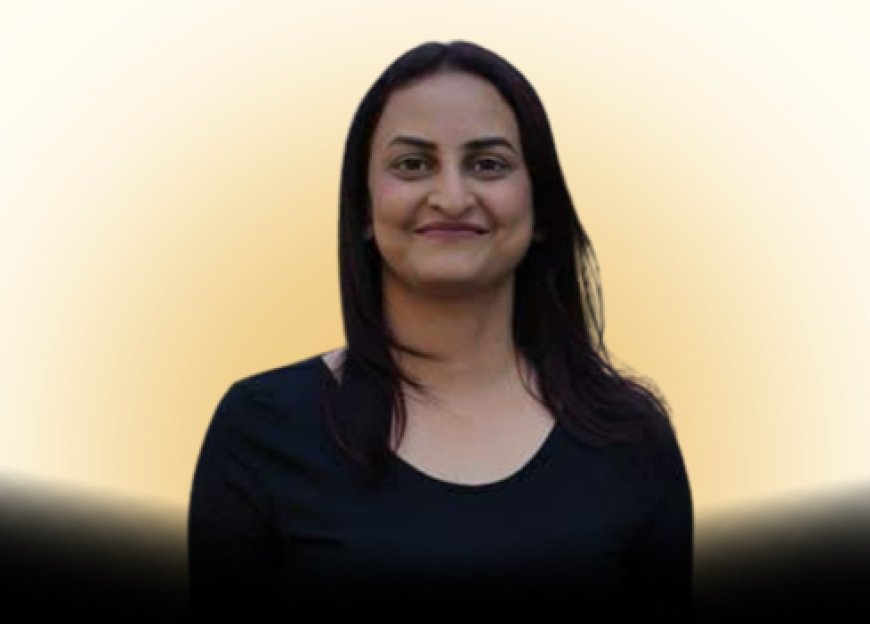
Dr Gunjan S Jhajharia’s journey into building Aaklan was shaped by her deep exposure to how schools actually function. Her engagement with management teams and educators revealed a reality that rarely made it into policy discussions or edtech pitches.
Technical education in most schools had been reduced to fragmented exposure. A tool here, a workshop there, an external program occasionally. There was activity, but no institutional continuity.
The pandemic made this fragmentation visible. Schools that lacked internal technical capacity could not move forward, even when they wanted to.
That moment did not spark a product idea. It sparked a systems question.
Who is responsible for making technology education run inside schools every single day?
Why Schools Struggled Despite Good Intentions
Most schools were not resisting technology. They were navigating a broken ecosystem.
Vendors supplied hardware. Edtech platforms sold content. After-school programs ran isolated sessions. Consultants offered strategy. But no one owned execution within the school.
Everything existed in pieces. Nothing was aligned with how schools actually operate.
Management teams were left coordinating multiple stakeholders. Teachers had to adjust without structured support. Students experienced discontinuity. Programs started and stopped.
Technology was entering schools. Learning systems were not.
Broken Trust and Fragmented Delivery
Years of inconsistent implementations created hesitation.
Schools had seen programs launched with promises of transformation, only to lose continuity within months. Different tools, different trainers, different approaches, and no accountability for outcomes.
The issue was not capability. It was ownership.
Aaklan emerged in this environment with a fundamentally different stance. Instead of selling solutions, it assumed responsibility for making technical education function as part of the school ecosystem.
Aaklan Is Not a Course. It Is Institutional Infrastructure
Aaklan positions itself as a technology education infrastructure partner for schools.
It does not operate like a vendor supplying components. It works as a long-term institutional enabler that integrates curriculum, educators, classroom tools, and operational continuity into one aligned system.
Schools do not adapt to Aaklan. Aaklan adapts to the school’s academic structure, capacity, and constraints.
This shift changes the conversation.
From buying tools to running systems.
From content delivery to classroom execution.
From experimentation to institutionalisation.
The focus is not on introducing technology. It is on making technology education run predictably, sustainably, and at scale inside schools.
Aaklan's USP is simple yet powerful: full academic session, full-time on-ground trainers embedded in partner schools and ensuring real world exposure and project based outcome from students. This long-term presence builds culture, strengthens implementation, and creates an execution advantage that content-only models cannot match.
Drawing a Clear Line from the EdTech Model
Most edtech platforms operate outside the school’s daily rhythm. They add learning layers.
After-school programs operate parallel to academic systems. They create exposure.
Hardware sellers focus on equipment. They enable access.
Vendors solve parts of the puzzle. Schools are left to assemble the whole.
Aaklan operates differently. It works from inside the institution.
It aligns stakeholders. It reduces operational friction. It ensures continuity. It connects learning, delivery, and outcomes.
This is not an add-on model. It is a systems model.
The Execution Backbone of School-Based Technology Education
At the core of Aaklan’s approach is execution discipline.
Every component, from curriculum to classroom delivery, is interconnected. Nothing is standalone. Nothing is left dependent on external continuity.
This creates reliability for school management and consistency for students.
Over time, Aaklan has grown not by expanding offerings, but by strengthening this execution backbone. The organisation’s credibility comes from making systems work on the ground, not from scaling promises.
Leela: Designed for Classrooms, Not Labs
One of the defining milestones in Aaklan’s journey was the development of its microcontroller board, Leela.
This was not built as a hardware product entering the education market. It was built as a classroom execution tool.
Most boards available to schools are adapted from higher education or industrial environments. They assume longer lab hours, advanced facilitation, and technical familiarity.
Leela was designed for 45-minute school periods, for young learners, and for teachers operating within academic schedules.
Its purpose was not to introduce complexity, but to remove it.
The development of Leela demonstrated a deeper insight. Aaklan understands classroom constraints better than hardware companies because its starting point is not technology. It is the school environment.
Growth Through Institutional Confidence
Today, Aaklan operates across multiple states, steadily embedding its systems into school ecosystems.
Its expansion has been shaped by institutional trust rather than aggressive market positioning. Schools that adopt Aaklan do so to stabilise execution, not to experiment with new tools. This distinction continues to define the organisation’s trajectory.
Aaklan’s work has also gained institutional and ecosystem recognition. The organisation secured funding from a Mumbai-based venture capital firm and was recognised as the Most Scalable Women Startup from Rajasthan by TiE Rajasthan. Aaklan is further incubated at the BITS Pilani incubation centre, PIEDS, reinforcing its foundation as a scalable and institution-focused education infrastructure initiative.
The Road Ahead
Over the next five years, Aaklan aims to deepen its presence across India and build the largest institutional network focused on school-based technology education.
The ambition is not market share alone. It is systemic presence.
Beyond India, the model holds relevance for education systems globally where schools face similar challenges of fragmented implementation and operational gaps.
The goal remains consistent: strengthen the infrastructure that allows technology education to run inside schools as a sustained academic function.
Advice to Emerging Entrepreneurs
Dr Gunjan’s advice to aspiring founders comes from years of working closely with institutions.
Know your customer beyond surface requirements. Understand how they operate daily, what slows them down, and what keeps them hesitant. Innovation is not always about new products. Sometimes it is about building ecosystems that make things work.
Conclusion
Aaklan’s journey is not about entering the edtech space. It is about redefining how technology education is executed within schools.
By positioning itself as an infrastructure partner rather than a service provider, it is building systems that schools can rely on year after year.
As institutions continue to navigate the shift toward future-ready learning, the need is no longer for more tools. The need is for execution that holds.
To learn more about Aaklan and Dr Gunjan’s work, visit Aaklan’s official website, connect with her on LinkedIn, or follow her journey on Instagram.
Website: https://www.aaklan.com/
Linkedin: https://www.linkedin.com/in/gunjanjhajharia/
Instagram: https://www.instagram.com/gunjan_jhajharia/