

































Brigitte Bardot, Icon of French Cinema and Tireless Voice for Animal Rights, Dies at 91
French cinema legend Brigitte Bardot, whose career defined an era and whose activism reshaped animal welfare debates worldwide, has passed away at 91.

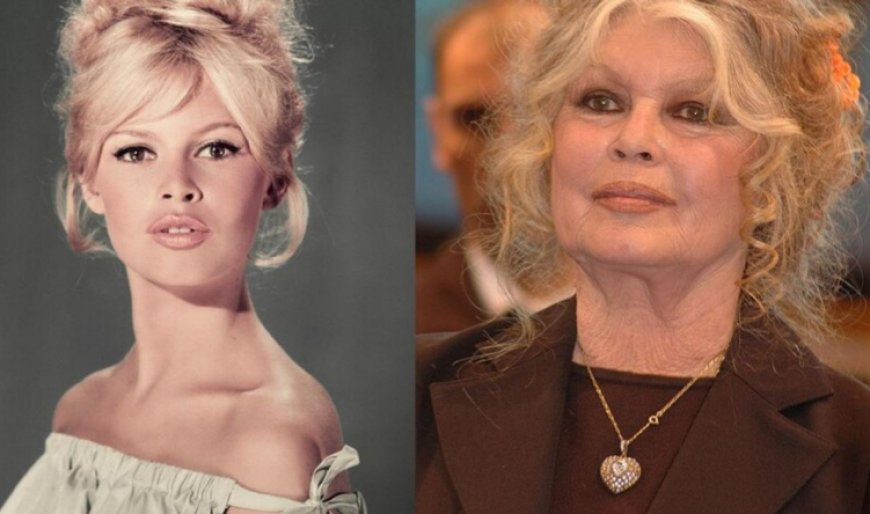
Brigitte Bardot, one of the most iconic figures of 20th-century cinema and a passionate advocate for animal welfare, has died at the age of 91. Her death was confirmed yesterday by the Brigitte Bardot Foundation, which announced with “immense sadness” the passing of its founder and president. Bardot, whose life bridged stardom and activism, passed away on December 28, 2025, at her home in southern France after a period of declining health following hospital stays earlier in the year.
Brigitte Anne-Marie Bardot was born on September 28, 1934, in Paris, into a well-off bourgeois family, where her early talent for dance and modelling set her on an extraordinary course. She first attracted public attention as a teenager after appearing on the cover of Elle magazine at just 15, and soon transitioned to film under the guidance of then-husband and director Roger Vadim.
Rise to Stardom
Her breakthrough came in 1956 with the provocative film And God Created Woman, in which her uninhibited portrayal of a young woman in Saint-Tropez sent shockwaves through global audiences. Over the next decade and a half, Bardot starred in more than forty films, working with renowned directors and becoming a defining presence of European cinema. Her image—tousled blond hair, sultry gaze, and carefree sensuality—came to embody a new kind of modern femininity during the cultural transformations of the 1950s and 60s.
At the height of her career, Bardot’s face became a cultural emblem. In 1969 she was chosen as the first real-life model for Marianne, the national symbol of the French Republic, her likeness appearing on statues, stamps, and coins, a testament to her influence on French identity.
Retirement from Acting
Despite her enormous success, Bardot increasingly felt the pressures of fame and relentless media scrutiny. Struggling with personal challenges including depression and the burdens of celebrity, she made the surprising decision to retire from acting in 1973 at the age of 39, after a celebrated but emotionally taxing career.
A Lifelong Commitment to Animal Rights
Bardot’s retirement marked the beginning of a second, profound chapter of her life—that of an animal rights activist. In 1986, she founded the Brigitte Bardot Foundation for the Welfare and Protection of Animals, dedicating her considerable energy and resources to the defence of creatures large and small. She sold personal possessions, including jewellery and memorabilia, to fund the foundation’s work and became a vocal critic of cruelty in all its forms.
Her advocacy took her to the Arctic to draw attention to the slaughter of seals, and she campaigned internationally against seal hunting, the use of animals in laboratory experiments, and other practices she saw as unjust. She once wrote to world leaders, including U.S. presidents and Asian governments, urging them to protect wildlife and oppose animal suffering.
Controversy and Public Debate
Her commitment to animals inspired admiration across the globe and earned her France’s Legion of Honour, the nation’s highest accolade, in recognition of her contributions. Yet Bardot’s outspoken nature also led her into controversy. In later years she became increasingly associated with far-right politics and made statements viewed by many as xenophobic and inflammatory, resulting in several convictions for inciting racial hatred under French law.
These remarks, particularly on issues of immigration and religious practices, overshadowed some of her humanitarian work and divided public opinion about her legacy.
Later Life and Legacy
Throughout her life, Bardot’s personal narrative was as compelling as her screen presence. Four marriages, public struggles with the cost of fame, and candid reflections on identity and freedom made her a figure of both fascination and debate. In her final years, she chose a quieter life at her Saint-Tropez estate, La Madrague, surrounded by the animals she so fiercely defended, and spoke openly about aging, solitude, and the solace she found in simplicity and purpose.
Brigitte Bardot’s passing marks the end of an era—one that saw the transformation of French cinema, the rise of modern celebrity culture, and the growth of global awareness on animal welfare. Her imprint on film and society is indelible: a star who transcended the screen, a voice for the voiceless, and a figure whose life reflected both the brilliance and the contradictions of her time.