































EU Moves to Regulate Smart TVs and Voice Assistants Under Big Tech Rules
EU plans to expand DMA rules to smart TVs and voice assistants, aiming to curb Big Tech dominance and ensure fair competition in connected ecosystems

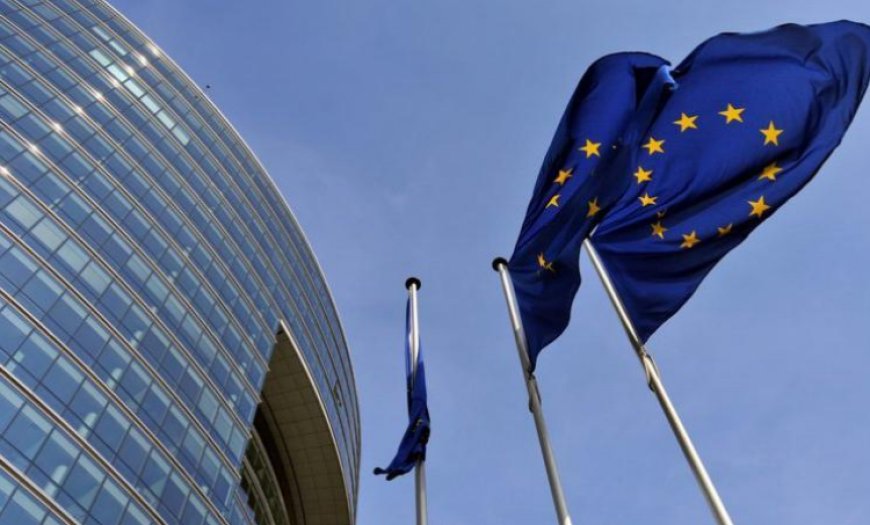
The European Union is preparing to expand its landmark digital competition framework to cover a new frontier of technology like smart TVs and connected devices, marking a significant shift in how regulators view the power of Big Tech. At the center of this development is the Digital Markets Act (DMA), a sweeping regulatory framework designed to curb the dominance of major technology companies such as Google, Amazon, Apple, and Samsung. While the DMA has traditionally focused on platforms like app stores and search engines, recent developments indicate a growing push to extend its reach to smart TV operating systems and voice assistants, which are increasingly shaping how users access digital content.
The latest momentum for this expansion comes from a coalition of major European broadcasters and media companies, including Canal+, RTL, ITV, and Disney, who have formally urged EU regulators to classify smart TV ecosystems as “gatekeepers.” These companies argue that the control exercised by Big Tech over device interfaces, recommendation systems, and app distribution is beginning to mirror the dominance seen in traditional digital platforms.
This regulatory push reflects a broader concern that the next phase of digital competition will not be fought solely on smartphones or websites, but across connected ecosystems embedded in homes. As smart TVs and voice assistants become central to content consumption, the EU’s move signals an attempt to preemptively address emerging monopolistic behaviors before they become entrenched, setting the stage for a new chapter in global tech regulation.
Rising Influence of Smart TV Ecosystems
Smart TVs have rapidly evolved from simple display devices into complex digital platforms that integrate streaming services, advertising ecosystems, and personalized content recommendations. Operating systems such as Google’s Android TV, Amazon’s Fire OS, and Samsung’s Tizen now act as gateways through which millions of users access entertainment content daily. These platforms have seen significant growth in market share, with Android TV rising to around 23% and Samsung’s Tizen reaching approximately 24%, highlighting their increasing dominance.
This growing influence has raised concerns among broadcasters and content providers, who argue that these platforms can shape user behavior by prioritizing certain services over others. Recommendation algorithms embedded within these systems can influence what viewers watch, effectively controlling visibility and access in a highly competitive media landscape.
The implications extend beyond entertainment. Smart TVs are becoming central nodes in connected home ecosystems, linking with other devices such as smartphones, speakers, and IoT systems. This interconnectedness amplifies the power of platform operators, enabling them to gather data, influence consumer choices, and strengthen their competitive position across multiple sectors simultaneously.
Broadcasters Push for ‘Gatekeeper’ Designation
The push to bring smart TVs under the DMA framework has been led by the Association of Commercial Television and Video on Demand Services in Europe (ACT), which represents major global media players. In a formal communication to EU antitrust chief Teresa Ribera, the group argued that smart TV platforms and voice assistants should be designated as “gatekeepers,” a classification that would subject them to strict regulatory obligations.
Under the DMA, gatekeepers are required to ensure fair competition by avoiding practices such as self-preferencing, restricting interoperability, or limiting access to competing services. Broadcasters contend that current smart TV ecosystems already exhibit characteristics of gatekeeper platforms, particularly in how they control app placement, search results, and content recommendations.
The request also highlights concerns about voice assistants like Amazon’s Alexa and Apple’s Siri, which are increasingly used to access content. These systems, while not yet fully regulated under the DMA, have the potential to further consolidate control over digital ecosystems by acting as intermediaries between users and services.
Expanding Scope of the Digital Markets Act
The Digital Markets Act, which came into force in 2022 and became applicable in 2023, was initially designed to address the dominance of major online platforms such as app stores, search engines, and social networks. However, the rapid evolution of technology has prompted regulators to reconsider its scope, recognizing that market power is increasingly being exercised through hardware-integrated ecosystems.
Expanding the DMA to include smart TVs represents a significant shift in regulatory strategy. It moves the focus from traditional digital services to embedded systems that operate at the intersection of hardware and software. This transition reflects a deeper understanding of how modern digital markets function, where control over user interfaces and ecosystems can be as powerful as control over standalone platforms.
At the same time, the EU faces the challenge of balancing regulation with innovation. Tech companies have argued that excessive regulation could hinder product development and reduce competitiveness, particularly in fast-evolving sectors like artificial intelligence and connected devices. This tension between oversight and innovation will likely shape the next phase of the DMA’s implementation.
Global Implications and Industry Response
The EU’s move to expand digital regulation is likely to have far-reaching implications beyond its borders. As one of the world’s largest and most influential regulatory bodies, the EU often sets global standards that are subsequently adopted or adapted by other jurisdictions. This phenomenon, sometimes referred to as the “Brussels effect,” suggests that similar regulatory approaches could emerge in other markets.
Big Tech companies are closely monitoring these developments, as the designation of smart TV platforms as gatekeepers could impose significant compliance requirements. These may include changes to business models, increased transparency in algorithms, and greater openness to third-party services. Such changes could reshape competitive dynamics within the global technology industry.
For broadcasters and content providers, the proposed changes represent an opportunity to level the playing field. By ensuring fair access and visibility, they hope to counterbalance the growing influence of platform operators and maintain diversity in content distribution. However, the outcome will depend on how effectively the regulations are implemented and enforced.
Outlook
The European Union’s push to extend its digital regulatory framework to smart TVs and connected devices marks a pivotal moment in the evolution of global tech governance. As digital ecosystems continue to expand beyond traditional platforms, regulators are being forced to adapt their approaches to address new forms of market power and control.
In the short term, the proposal to classify smart TV platforms as gatekeepers is likely to trigger intense debate among regulators, industry players, and policymakers. While broadcasters and smaller competitors advocate for stronger oversight, technology companies will continue to argue for flexibility and innovation. The balance struck between these competing interests will shape the future of digital markets.
Looking ahead, the outcome of this regulatory push will have implications far beyond the EU. It will influence how digital ecosystems are structured, how competition is maintained, and how consumers interact with technology in their daily lives. As smart devices become increasingly central to the digital economy, the EU’s actions may well define the next phase of global technology regulation.