

































WTO Members Launch First Global Digital Trade Rules, Bypassing Consensus Deadlock
WTO members introduce global digital trade rules, marking a shift from consensus to faster decision-making in regulating the digital economy.

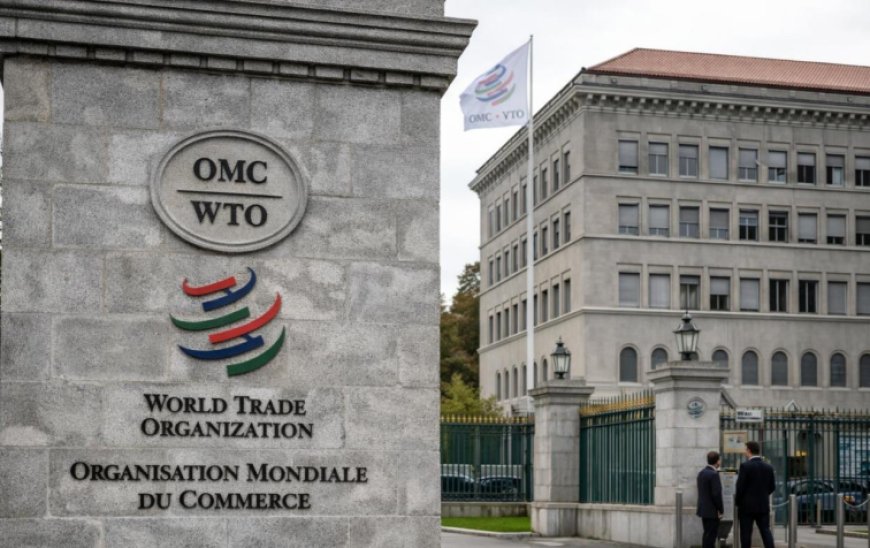
In a landmark shift for global trade governance, a group of 66 members of the World Trade Organization (WTO) has agreed to implement the world’s first baseline rules for digital trade, marking a decisive step toward regulating the rapidly expanding digital economy. The agreement, reached at a ministerial conference in Cameroon, represents a departure from traditional WTO consensus-based decision-making, as participating nations moved forward despite opposition from several members.
The agreement covers countries representing approximately 70% of global trade, underscoring its significance in shaping future international commerce. It establishes a foundational framework for governing e-commerce, digital transactions, and cross-border data flows, areas that have long lacked standardized global rules. The initiative reflects growing recognition that digital trade—already accounting for a substantial share of global economic activity—requires structured governance to ensure efficiency, transparency, and interoperability.
However, the agreement has also exposed deep divisions within the global trade system. Countries such as India opposed the move, arguing that such rules should only be adopted through full multilateral consensus. The decision to proceed without unanimity highlights both the urgency felt by participating members and the challenges facing the WTO in adapting to a rapidly evolving global economy.
A Break from WTO Tradition
One of the most defining aspects of this development is the adoption of a plurilateral approach, allowing a subset of WTO members to move forward independently. Traditionally, WTO agreements require consensus among all members, a process that has increasingly stalled in recent years due to divergent national interests. The digital trade agreement signals a shift toward more flexible decision-making mechanisms within the organization.
The new framework will apply only to participating countries, creating what experts describe as a “multi-speed” trade system. While this allows progress among willing members, it also raises concerns about fragmentation, as non-participating nations may operate under different regulatory regimes. This divergence could complicate global trade, particularly for businesses operating across multiple jurisdictions.
At the same time, proponents argue that the move is necessary to maintain the WTO’s relevance. With digital trade expanding rapidly, delays in rule-making risk leaving critical areas of global commerce unregulated. By bypassing the consensus deadlock, participating members aim to establish a foundation that can later be expanded to include additional countries.
Core Features of the Digital Trade Agreement
The agreement introduces a range of provisions designed to modernize trade rules for the digital age. Key elements include the legal recognition of electronic transactions, ensuring that digital documents carry the same validity as paper-based records. This is expected to significantly reduce administrative barriers and streamline cross-border trade processes.
Another major component is the promotion of paperless trading and e-invoicing systems, which enhance efficiency and reduce costs for businesses. The agreement also addresses interoperability, enabling different digital systems to work seamlessly across borders. These measures are particularly beneficial for small and medium-sized enterprises, which often face disproportionate challenges in navigating complex trade procedures.
In addition, the framework includes provisions related to data flows, consumer protection, cybersecurity, and digital payments, reflecting the multifaceted nature of modern digital trade. By establishing common principles, the agreement aims to create a more predictable and secure environment for digital commerce, fostering innovation and economic growth.
Economic Significance and Global Impact
The economic implications of the agreement are substantial. Digital trade is already a major driver of global economic activity, with estimates suggesting that it accounts for a significant portion of global GDP. The new rules are expected to unlock further growth by reducing transaction costs and improving market access.
According to WTO-related estimates, failure to implement standardized digital trade rules could leave approximately $159 billion in trade unrealized annually, while full implementation could contribute up to $8.7 trillion to global GDP by 2040. These figures highlight the transformative potential of the agreement for the global economy.
Moreover, the agreement is likely to accelerate the digital transformation of industries, from manufacturing to services. By enabling seamless cross-border transactions, it supports the expansion of e-commerce, digital services, and technology-driven business models. This, in turn, could reshape global trade patterns and enhance economic integration.
Divisions and Concerns Among Member States
Despite its potential benefits, the agreement has sparked significant debate among WTO members. Developing countries, including India, have expressed concerns about the implications for policy space and revenue generation. One key issue is the long-standing moratorium on customs duties for digital transmissions, which some countries argue limits their ability to collect tariffs.
Critics also warn that the agreement could disproportionately benefit advanced economies and large technology firms, potentially widening the digital divide. Without adequate safeguards and support mechanisms, smaller economies may struggle to compete in an increasingly digitalized trade environment.
Additionally, the decision to bypass consensus has raised questions about the future of multilateralism within the WTO. While the plurilateral approach enables progress, it may also weaken the organization’s traditional framework, leading to a more fragmented global trade system. These concerns underscore the need for careful implementation and continued dialogue among members.
Outlook
The launch of the WTO’s first global digital trade rules marks a pivotal moment in the evolution of international commerce. By addressing the regulatory gaps in digital trade, the agreement lays the foundation for a more integrated and efficient global economy. At the same time, it reflects the challenges of governing a rapidly changing landscape within a system designed for a different era.
In the short term, the focus will be on implementing the agreement among participating countries and assessing its impact on trade flows and economic activity. The success of this initiative will depend on its ability to deliver tangible benefits while addressing the concerns of non-participating members.
Looking ahead, the agreement may serve as a catalyst for broader reforms within the WTO, prompting a re-evaluation of decision-making processes and governance structures. As digital trade continues to expand, the need for inclusive and adaptable frameworks will become increasingly critical. The current development, while significant, is likely just the beginning of a new chapter in global trade governance.