































Wheat Cargo Ship Sinks in Sea of Azov, Raising Fresh Global Supply Concerns
Wheat cargo ship sinks in Sea of Azov amid geopolitical tensions, raising concerns over global food supply, trade disruptions, and maritime safety risks

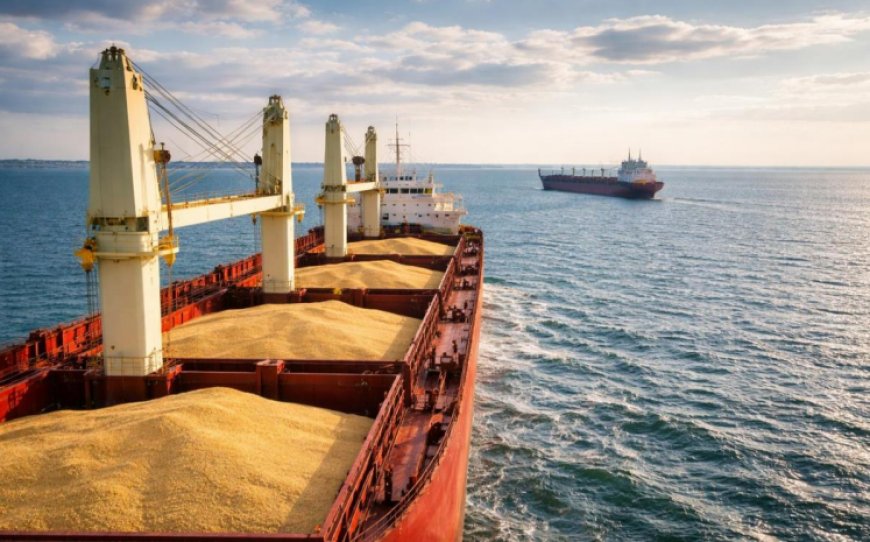
A cargo vessel transporting wheat has sunk in the strategically significant Sea of Azov, leaving one crew member dead and two missing, in a development that highlights growing risks to global trade routes.
According to official statements, the incident occurred on April 5, 2026, in waters closely linked to ongoing geopolitical tensions between Russia and Ukraine.
The sinking of the vessel comes at a time when global supply chains are already under strain due to conflict, energy disruptions, and logistical challenges. The Sea of Azov, connected to the Black Sea, is a crucial route for the export of agricultural commodities such as wheat, making the incident particularly significant for global food markets.
While maritime accidents are not uncommon, the geopolitical context surrounding this incident elevates its importance. The combination of conflict proximity, critical cargo, and human casualties underscores the vulnerability of essential trade routes in times of global instability.
Details of the Incident and Rescue Efforts
Initial reports indicate that the vessel was carrying a shipment of wheat when it went down in the Sea of Azov under circumstances that remain under investigation.
Authorities confirmed that nine crew members survived and were found onshore, while one crew member, identified as the captain’s aide, lost his life.
Emergency response operations were launched shortly after the incident, with local authorities coordinating search and rescue efforts for the two missing crew members. The fact that survivors reached shore suggests that evacuation procedures were initiated before the vessel completely sank.
Officials have not yet disclosed the exact cause of the sinking, but an investigation has been formally initiated. Possible factors under consideration include mechanical failure, adverse weather conditions, or external damage—each of which carries different implications for maritime safety in the region.
Strategic Importance of the Sea of Azov Trade Route
The Sea of Azov plays a critical role in regional and global trade, particularly for agricultural exports from Russia and Ukraine—two of the world’s largest wheat suppliers. The region serves as a key transit point for shipments destined for markets in Europe, the Middle East, and Asia.
Disruptions in this area can have immediate ripple effects on global food supply chains. Even a single incident involving a cargo vessel can lead to delays, increased insurance costs, and heightened scrutiny of shipping routes. Over time, repeated disruptions can contribute to price volatility in global commodity markets.
The strategic importance of the region is further amplified by its proximity to ongoing conflict zones. Maritime routes in and around the Sea of Azov have faced increasing risks, including restricted access, military activity, and infrastructure damage, all of which complicate safe navigation.
Human Impact and Maritime Safety Concerns
Beyond its economic implications, the sinking highlights the human cost of maritime incidents. The loss of life and the ongoing search for missing crew members underscore the dangers faced by seafarers operating in high-risk regions.
The fact that all crew members were reported to be Russian nationals reflects the broader involvement of regional actors in maintaining trade flows despite heightened risks. These workers often operate under challenging conditions, with limited protection against the uncertainties of conflict and environmental hazards.
The incident has renewed calls for enhanced maritime safety measures, including better monitoring systems, improved emergency response protocols, and stronger international coordination. Ensuring the safety of crews is essential not only for humanitarian reasons but also for maintaining confidence in global shipping networks.
Global Trade and Food Supply Implications
The sinking of a wheat-carrying vessel has direct implications for global food supply chains, particularly at a time when agricultural markets are already under pressure. Wheat is a staple commodity, and disruptions in its transportation can contribute to shortages and price increases in importing countries.
Although the loss of a single shipment may not significantly impact global supply, the broader context is more concerning. Repeated incidents or sustained disruptions in key shipping routes can lead to cumulative effects, including supply bottlenecks and increased costs for consumers.
Financial markets and commodity traders closely monitor such developments, as they provide early signals of potential instability. The incident may lead to higher insurance premiums for vessels operating in the region, further increasing the cost of trade and affecting pricing dynamics.
Outlook
The sinking of a wheat cargo ship in the Sea of Azov represents more than an isolated maritime accident—it is a reflection of the growing vulnerabilities in global trade systems. As geopolitical tensions and logistical challenges converge, critical supply routes are becoming increasingly exposed to risk.
In the immediate term, attention will remain focused on rescue operations and the outcome of the investigation into the cause of the sinking. Authorities are expected to provide further clarity in the coming days, which will be crucial for understanding the broader implications of the incident.
Looking ahead, the event underscores the need for stronger international cooperation to ensure the safety and stability of global trade networks. As the world grapples with interconnected crises, safeguarding key supply routes will be essential to maintaining economic resilience and food security.