






























Middle East Tensions Push Global Markets Into Uncertainty
Middle East tensions between the US and Iran are creating uncertainty in global markets, pushing oil prices higher and raising fears of economic instability. Investors worldwide are closely watching the situation as diplomatic efforts continue to prevent further escalation.

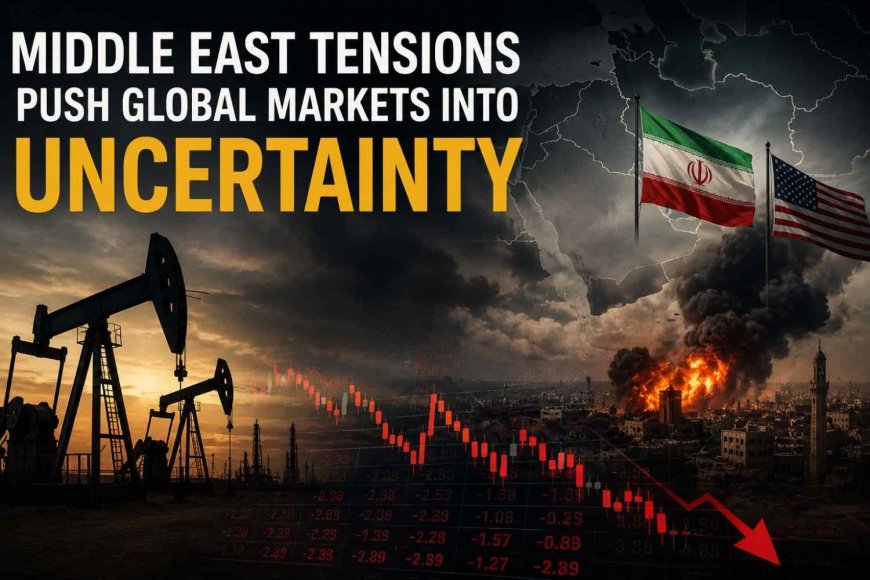
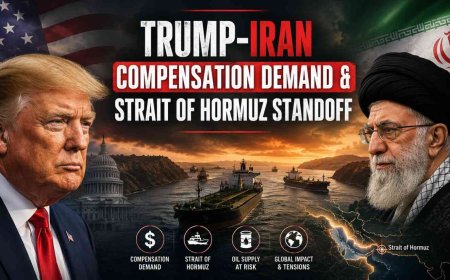
Tensions between the U.S. and Iran have once again created problems for the international market in the Middle Eastern region of the globe. All international traders are on the lookout for developments at the Strait of Hormuz, which happens to be one of the major oil trade channels in the world, due to the fear of a possible war following reports of some new military movement in this part of the world.
This problem is already having its effects on the price of crude oil, which has been swinging back and forth over the last few days. Any disturbance to the flow of traffic via the Strait of Hormuz will severely impact the availability of fuel on an international level since a great deal of the oil consumed by the world passes through this strait every day.
In stock exchanges across the Gulf region, declines have been seen amid the apprehensive nature displayed by investors. Experts believe that companies and other stock markets around the world hate any sort of uncertainty, particularly where energy resources and trading routes are concerned. Increasing fuel prices could also add to the inflation rates of various countries globally, thereby increasing costs of basic necessities and travel for consumers.
Even in light of these fears, diplomatic efforts have not ceased. The international community is pushing both parties to prevent an escalation of tensions and instead go back to talks before the situation turns into an even bigger problem for the economy of the world. Financial analysts believe the next few weeks will be crucial to the stability of the market.