

























The Golden Globes 2026: A Night Highlighting Tradition, Transition and Triumph
The 2026 Golden Globes reflect a shifting entertainment landscape, celebrating bold storytelling, global voices and creative risks across film and television

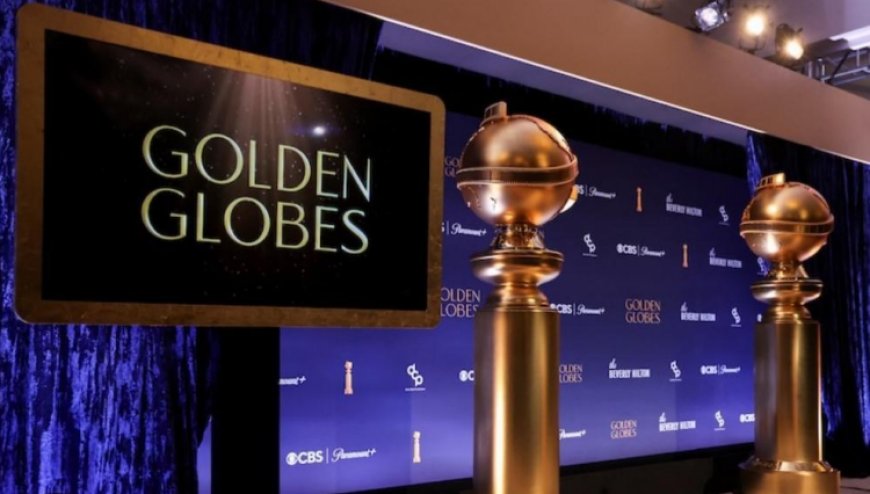
On a January evening polished with sequins, nerves, and carefully rehearsed nonchalance, the 2026 unfolded less like a conventional ceremony and more like a live negotiation between old Hollywood ritual and a rapidly evolving global entertainment culture. What made this year’s Globes compelling was not merely who won, but how the wins collectively told a story about where cinema and television are headed, what kinds of narratives now command attention, and which creative risks are finally being rewarded on a mainstream stage.
From the opening moments, the mood was unusually fluid. There was glamour, certainly, but it felt lighter, less rigid, as if the room itself understood that prestige no longer belongs exclusively to tradition. Streaming giants, independent filmmakers, international storytellers and animation studios all occupied the same symbolic real estate, and the awards that followed confirmed that hierarchy has become increasingly porous. The night did not crown a single, monolithic “winner”; instead, it scattered its honours across genres, formats and sensibilities, creating a mosaic rather than a pedestal.
In film, the most talked-about triumph was the commanding presence of One Battle After Another, a work that embodied creative confidence without leaning on spectacle alone. Its victories—spanning picture, direction and writing—felt like an endorsement of filmmaker-driven cinema at a time when algorithms and franchises often dominate greenlight conversations. The film’s success sent a clear message: ambitious, adult storytelling still has commercial and cultural weight when executed with conviction. The applause that greeted its wins carried a tone of relief as much as admiration, as if the room collectively recognized a reaffirmation of artistic authorship.
Balancing that momentum was the quieter, emotionally resonant win of Hamnet, which claimed the top drama prize. Its triumph represented another important strand of the night’s narrative: the power of restraint. Rather than relying on grand scale, the film drew audiences inward, and the Golden Globes’ embrace of it suggested a renewed respect for intimacy, literary adaptation and emotional precision. The acting honours tied to the film further underscored this sensibility—performances rooted in grief, silence and interiority proved just as award-worthy as louder, more flamboyant turns.
Television, however, was where the ceremony most clearly revealed its evolving priorities. Adolescence, a series that explores youth without romanticizing it, emerged as the night’s most decisive success. Its sweep across limited-series categories felt significant not because it was expected, but because it wasn’t. The show’s raw honesty, uncomfortable humour and refusal to offer neat resolutions stood in contrast to the prestige-TV formulas of the past decade. Its recognition suggested that awards bodies are increasingly attuned to cultural authenticity rather than scale or budget, and that smaller, sharper stories can dominate the conversation when they strike a generational nerve.
One of the evening’s most electric moments arrived from an unexpected direction: animation and music. KPop Demon Hunters did more than win Best Animated Feature—it altered the temperature of the room. When its creators took the stage, the reaction reflected something larger than appreciation for a single film. It was an acknowledgment of global pop culture’s irreversible influence on mainstream awards. The film’s accompanying song, Golden, winning Best Original Song, reinforced that point. This was not animation being politely included; it was animation, infused with international musical energy, being celebrated as a central cultural force.
The acting categories further emphasized the night’s global and stylistic openness. Timothée Chalamet’s win for Marty Supreme for best acting marked a pivotal moment in his career narrative, positioning him not merely as a generational star but as a performer capable of anchoring complex, unconventional material. At the same time, recognition for international actors signalled that linguistic and geographic boundaries continue to dissolve. Performances were judged less by familiarity and more by emotional impact, a shift that subtly but decisively reshaped the evening’s tone.
Beyond the trophies, the ceremony’s texture was defined by its human moments. Acceptance speeches avoided grandstanding and leaned into vulnerability—gratitude shared with collaborators, acknowledgments of uncertainty, quiet tributes to personal journeys that did not fit industry mythology. The host’s sharp but self-aware humour kept the night buoyant, poking fun at Hollywood excess without defaulting to cynicism. Even the inevitable awkward pauses and rushed walk-off music felt less like flaws and more like reminders that live, communal celebration still carries unpredictability in an increasingly curated media world.
The introduction of newer categories, including recognition for audio storytelling, hinted at where the Globes may head next. By widening its scope, the ceremony acknowledged that storytelling no longer resides in a single format. Podcasts, limited series, animated hybrids and cross-genre projects now shape cultural discourse alongside traditional films, and the Globes’ willingness to recognize them suggested an institution actively redefining its relevance rather than guarding its past.
By the time the final award was handed out, the significance of the 2026 Golden Globes had crystallized. This was not a year of safe consensus or legacy coronations. It was a year that rewarded specificity over universality, voice over volume, and imagination over formula. The winners reflected an industry learning—sometimes awkwardly, sometimes elegantly—to coexist with change rather than resist it.
In retrospect, the ceremony felt less like a verdict on the past year and more like a preview of the creative battles ahead. Films that trust audiences, series that refuse easy answers, and global influences that reshape familiar forms all found validation on one of entertainment’s most visible stages. The Golden Globes of 2026 did what awards rarely manage to do convincingly: they captured a moment of transition without freezing it, honouring tradition while unmistakably tilting toward the future.