
































US Pushes Back China Chip Tariffs to 2027 Amid Global Supply Chain Considerations
The US delays new China semiconductor tariffs until 2027, aiming to protect global supply chains while reassessing long-term trade and security strategy.

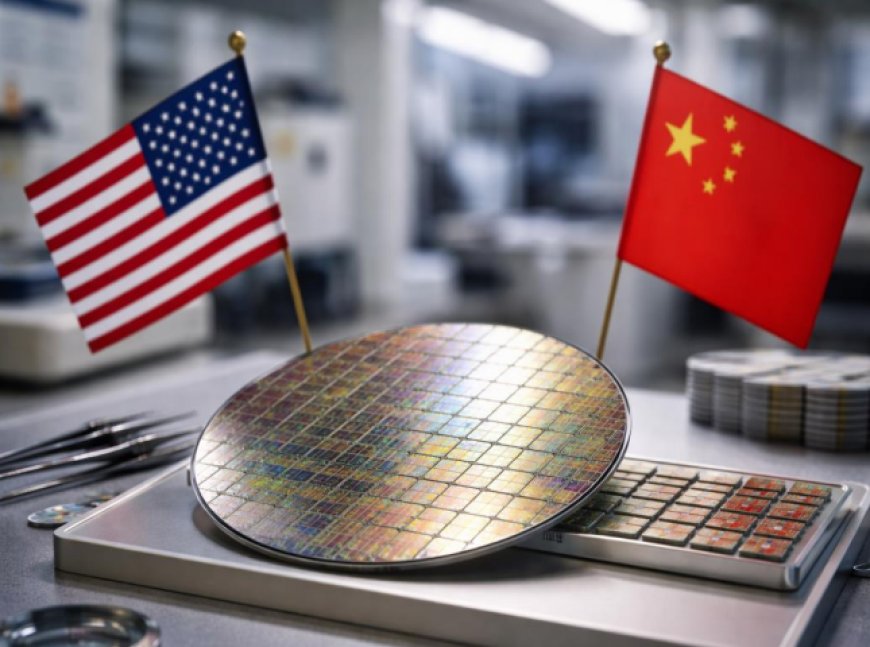
The United States has postponed the announcement of new tariffs on Chinese semiconductor products, pushing potential implementation to 2027. The move reflects a cautious approach to balancing national security concerns with the need to maintain stability in global technology supply chains.
Officials noted that the delay allows for strategic reassessment of both timing and scope. The semiconductor industry remains critical for sectors ranging from consumer electronics and automobiles to defence and AI, making abrupt trade measures potentially disruptive.
Analysts view the postponement as a signal that Washington is prioritising long-term planning over immediate escalation, while giving domestic chip manufacturing initiatives time to mature.
Strategic Rationale Behind the Delay
The semiconductor sector is highly sensitive to supply disruptions. Sudden tariffs could have ripple effects on production, pricing, and international trade relations.
By deferring the tariffs:
-
The US provides breathing space for domestic chip manufacturing projects to become operational.
-
Global supply chains have more time to adjust to potential trade barriers.
-
Future administrations gain flexibility to recalibrate policy based on market or geopolitical developments.
The delay is therefore seen as a measured step to maintain market stability while keeping strategic objectives intact.
Implications for US–China Trade Relations
While the postponement offers temporary relief to Beijing, it does not indicate a broader easing of tensions. Trade disputes over advanced technology continue to shape bilateral relations.
This delay maintains pressure on China to advance domestic semiconductor capabilities. It allows the US to coordinate with allies and plan layered trade and export controls, while reducing the immediate risk of supply chain disruption. However, uncertainty persists for businesses operating across both markets.
China is expected to use this period to strengthen domestic production, while firms worldwide remain cautious in investment planning.
Impact on Global Chipmakers and Markets
For global semiconductor companies, the announcement brings short-term stability. Many firms have operations in both the US and China, making predictable trade policies essential for planning.
Key implications include:
-
Production planning: Companies can adjust output schedules without sudden cost shocks.
-
Investment strategy: Firms may continue expanding in alternative locations to hedge future tariff risks.
-
Market pricing: Temporary relief from tariffs can stabilise short-term chip prices.
Despite the delay, the threat of future tariffs encourages ongoing diversification of supply chains and innovation investment.
Political and Economic Considerations
Domestically, US policymakers face the challenge of balancing national security objectives with economic realities. Immediate tariffs could have risked higher costs for US manufacturers and consumers.
The 2027 timeline also places the policy beyond the current political cycle, reducing short-term partisan pressures and allowing a strategic, long-term approach. Coordination with international allies and monitoring of domestic capacity will shape any future action.
Outlook
Looking ahead, attention will focus on how the US coordinates its semiconductor policy with allies in Europe and Asia, many of whom play key roles in the global chip ecosystem.
Whether the delayed tariffs ultimately materialise, and in what form, will depend on developments in domestic manufacturing capacity, technological competition and the broader geopolitical environment.
The postponement signals a move toward more measured, long-term policy, balancing competitiveness, security, and market stability. For companies, investors, and governments, it provides a clearer horizon while keeping strategic concerns on the table.