


































Taiwan Reports New Rabies Cases Linked to Ferret-Badgers
Taiwan intensifies rabies surveillance and public awareness after a fatal ferret-badger-linked case in Pingtung, highlighting ongoing zoonotic disease risks.

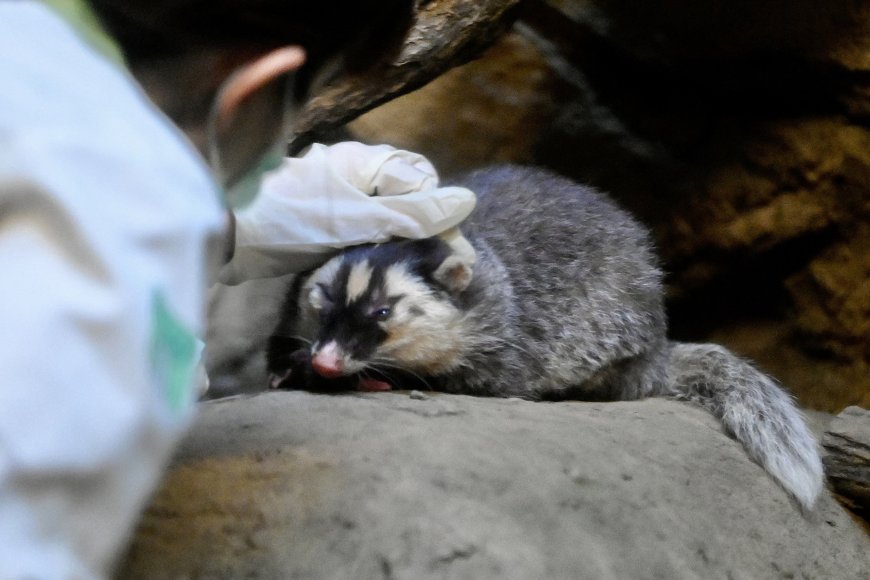
Taiwan has recently reported new cases of rabies linked to ferret-badgers, marking a concerning development in the island’s ongoing efforts to control the spread of the deadly disease. The latest incident, which resulted in a fatality in Pingtung County, has prompted authorities to intensify surveillance and launch public awareness campaigns to prevent further transmission.
Background on Rabies in Taiwan
Rabies is a viral disease that affects the central nervous system and is almost always fatal once symptoms appear. It is typically transmitted through the bite or scratch of an infected animal. Historically, Taiwan had been considered rabies-free for decades, but in 2013, the disease re-emerged in wildlife, primarily among ferret-badgers, a species native to the region. Since then, sporadic cases have been reported, mostly in rural areas, and authorities have implemented various measures to contain the outbreak.
Ferret-badgers are nocturnal mammals found in forested regions and are known carriers of rabies in Taiwan. The virus spreads through bites, and while human cases are rare, they are extremely dangerous due to the high fatality rate of the disease. The recent fatality in Pingtung is a stark reminder of the risks posed by rabies and the importance of vigilance in affected areas.
The Recent Incident in Pingtung
The latest rabies case in Pingtung County involved a person who was bitten by a ferret-badger and subsequently developed symptoms of the disease. Despite receiving medical treatment, the individual succumbed to the infection, marking the first fatal case in the region this year. The incident has raised alarm among local health authorities and the public, leading to a rapid response from government agencies.
Health officials have launched a thorough investigation to trace the source of the infection and identify any other potential exposures. Close contacts of the victim have been monitored, and those at risk have been offered post-exposure prophylaxis (PEP), which includes rabies vaccines and immunoglobulin. This proactive approach is critical to preventing further human cases and controlling the spread of the virus.
Government Response and Surveillance Measures
In response to the outbreak, Taiwan’s Centers for Disease Control (CDC) has heightened surveillance in Pingtung and surrounding areas. Field teams have been deployed to monitor wildlife, particularly ferret-badgers, and to collect samples for laboratory testing. The CDC is also collaborating with local animal control agencies to capture and test suspected animals, aiming to identify and eliminate potential sources of infection.
Public awareness campaigns have been intensified to educate residents about the risks of rabies and the importance of avoiding contact with wild animals, especially ferret-badgers. Authorities are urging people to report any unusual animal behavior or suspected rabid animals to local authorities immediately. Educational materials have been distributed in schools, community centers, and healthcare facilities to ensure widespread dissemination of information.
Impact on Public Health and Community
The recent rabies case has had a significant impact on public health and community morale in Pingtung. Residents are understandably concerned about the safety of their families and pets, leading to increased demand for rabies vaccinations and preventive measures. Local healthcare providers have reported a surge in inquiries and requests for PEP, highlighting the community’s heightened awareness and concern.
The incident has also underscored the need for continued investment in public health infrastructure and disease surveillance. Taiwan’s experience with rabies serves as a reminder of the importance of robust monitoring systems and rapid response mechanisms in controlling infectious diseases. The government’s swift action in this case has been widely praised, but challenges remain in ensuring sustained vigilance and preparedness.
Global Context and Lessons Learned
Taiwan’s rabies outbreak is part of a broader global challenge in controlling zoonotic diseases—those that can be transmitted from animals to humans. Rabies remains a significant public health issue in many parts of the world, particularly in regions where wildlife reservoirs exist and access to healthcare is limited. The lessons learned from Taiwan’s experience can inform global efforts to prevent and control rabies and other zoonotic diseases.
One key lesson is the importance of community engagement and education. Public awareness campaigns play a crucial role in reducing the risk of transmission by encouraging responsible behavior and promoting early reporting of suspected cases. Additionally, the integration of wildlife monitoring with public health surveillance is essential for early detection and rapid response.
Future Outlook and Preventive Measures
Looking ahead, Taiwan’s health authorities are committed to maintaining heightened surveillance and continuing public awareness efforts. The government is exploring additional measures, such as targeted vaccination campaigns for at-risk populations and enhanced collaboration with neighboring regions to share information and best practices.
Preventive measures will also focus on reducing human-wildlife interactions, particularly in areas where ferret-badgers are prevalent. This includes improving habitat management, promoting responsible pet ownership, and encouraging the use of protective measures when encountering wild animals.
Conclusion
The recent rabies case linked to ferret-badgers in Pingtung, Taiwan, highlights the ongoing challenges in controlling zoonotic diseases and the importance of sustained public health efforts. The government’s swift response, combined with community engagement and education, has been critical in preventing further transmission and protecting public health. As Taiwan continues to navigate the complexities of rabies control, the lessons learned will serve as a valuable resource for global health initiatives and the ongoing fight against infectious diseases.