




























GRAP-IV Enforcement Steps Up in Delhi, Yet Emission Data Gaps Persist
Despite stricter GRAP-IV enforcement in Delhi, gaps in emission testing and monitoring continue to obscure true pollution sources and limit long-term impact.

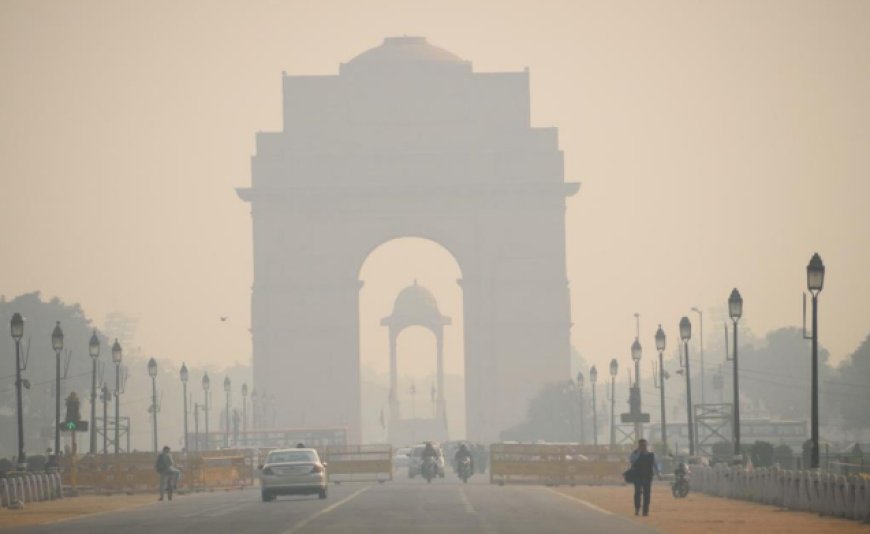
Delhi’s annual battle with toxic air has entered yet another critical phase as authorities enforce Stage IV of the Graded Response Action Plan (GRAP-IV)—the strictest level of emergency measures aimed at curbing pollution. Construction bans, vehicle restrictions, industrial shutdowns, and intensified inspections are once again in force. Yet, even as enforcement agencies identify polluters and issue penalties, a deeper concern persists: whether the current emission testing and monitoring framework is robust enough to reveal the true sources driving Delhi’s hazardous air.
At the heart of the debate lies a paradox. On paper, GRAP-IV represents decisive action. On the ground, enforcement appears uneven, data remains fragmented, and emissions from several sectors continue to escape comprehensive scrutiny. As residents grapple with health advisories and school closures, experts warn that without addressing structural gaps in emissions testing, emergency measures risk becoming repetitive rather than transformative.
GRAP-IV Enforcement
Under GRAP-IV, authorities have intensified crackdowns on visible polluters—dust-generating construction sites, diesel generator sets, industrial units operating without permission, and high-emission vehicles. Inspection drives have increased across industrial clusters, arterial roads, and infrastructure projects. Penalties, closure notices, and stop-work orders have followed.
These actions signal seriousness, but they also reveal the limits of enforcement that relies heavily on spot checks and visual compliance. While inspectors can identify overt violations—uncovered construction debris or smoke-belching vehicles—many pollution sources operate beyond immediate detection. Emissions from small-scale industries, ageing vehicles that pass basic fitness checks, and fuel-quality inconsistencies often slip through regulatory nets.
Officials maintain that GRAP-IV is designed as an emergency response, not a permanent solution. However, critics argue that when emergency protocols are invoked year after year, their effectiveness depends on the quality of underlying data—something Delhi continues to struggle with.
Emission Testing Gaps
A major weakness lies in Delhi’s vehicle emission testing regime, which remains largely dependent on periodic Pollution Under Control (PUC) certificates. These tests measure emissions at a single point in time, often under controlled or static conditions that do not reflect real-world driving behaviour. Vehicles that technically pass PUC norms may still emit excessive pollutants during congested traffic, idling, or cold starts—common conditions on Delhi’s roads.
Similarly, industrial emission monitoring relies heavily on self-reported data and intermittent inspections. Continuous Emission Monitoring Systems (CEMS) are mandated for larger units, but compliance varies, and data transparency remains limited. Smaller units, including informal manufacturing clusters, often operate outside consistent monitoring frameworks altogether.
Experts note that without comprehensive real-time emission tracking, authorities are effectively responding to pollution symptoms rather than its precise causes. This creates a gap between enforcement optics and environmental impact.
Construction Dust and Road Emissions: The Main Cause
Construction and road dust remain among Delhi’s most persistent pollution sources, particularly during winter months when dispersion conditions worsen. While GRAP-IV bans most construction activity, enforcement often struggles with exceptions for “essential” projects. Moreover, dust suppression norms—such as water sprinkling, anti-smog guns, and debris covering—are unevenly implemented.
Road dust resuspension, caused by vehicular movement over poorly maintained surfaces, receives even less attention. Mechanical sweeping and vacuum cleaning are deployed selectively, leaving vast stretches untreated. The absence of standardised metrics to quantify road dust emissions makes accountability difficult, allowing the problem to resurface annually with little measurable progress.
Health and Economic Costs of Delayed Clarity
The consequences of incomplete emissions data extend beyond environmental metrics. Hospitals report seasonal spikes in respiratory and cardiovascular cases during GRAP-IV periods, placing strain on healthcare systems. Productivity losses due to illness, school closures, and restricted outdoor activity impose economic costs that are rarely quantified in policy assessments.
Businesses, particularly in construction and manufacturing, face sudden shutdowns under GRAP-IV without long-term regulatory certainty. Industry representatives argue that clearer, data-driven emissions profiling could enable targeted restrictions instead of blanket bans, balancing environmental urgency with economic stability.
Expert View: Emergency Measures vs Structural Reform
Environmental experts broadly agree that GRAP-IV is necessary—but insufficient. Emergency actions may temporarily suppress pollution levels, but they do little to address chronic contributors unless paired with structural reforms. These include modernising emission testing to reflect real-world conditions, expanding continuous monitoring across sectors, and integrating satellite data with ground-level measurements.
There is also growing consensus that public access to emissions data could improve accountability. Transparent, easily interpretable dashboards may empower citizens and researchers to track compliance and identify repeat offenders, shifting enforcement from episodic crackdowns to sustained oversight.
The Road Ahead
As Delhi endures yet another winter under emergency pollution controls, the core challenge remains unchanged: measuring accurately before regulating effectively. GRAP-IV can flag polluters, but without closing gaps in emission testing and monitoring, the city risks repeating an annual cycle of restriction, relief, and relapse.
Long-term air quality improvement will depend less on how often emergency plans are triggered and more on whether policymakers invest in credible, comprehensive emissions intelligence. Until then, Delhi’s true pollution picture will remain partially obscured—visible in the smog, but elusive in the data meant to fight it.