






























Novo Nordisk Partners with OpenAI to Accelerate AI-Driven Drug Discovery
Novo Nordisk joins forces with OpenAI to integrate AI across drug discovery and development, accelerating innovation and transforming pharma workflows.


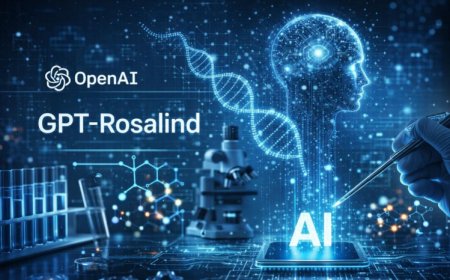
In a landmark move that underscores the accelerating convergence of artificial intelligence and pharmaceutical research, Novo Nordisk has announced a strategic partnership with OpenAI to enhance drug discovery, development, and operational efficiency. The collaboration reflects a broader industry shift toward leveraging advanced AI models to transform traditionally time-intensive and costly pharmaceutical processes.
The partnership is expected to deploy AI capabilities across multiple stages of the pharmaceutical value chain, including early-stage research, clinical trials, manufacturing, and commercial operations. By integrating AI-driven insights into scientific workflows, Novo Nordisk aims to significantly accelerate timelines while improving precision in decision-making.
This development comes at a time when global pharmaceutical companies are under increasing pressure to innovate faster, reduce costs, and respond to growing demand for advanced therapies. With AI emerging as a critical enabler, the Novo Nordisk–OpenAI collaboration represents a pivotal step in redefining how medicines are discovered and delivered.
Strategic Scope of the Partnership
The collaboration between Novo Nordisk and OpenAI is designed to integrate artificial intelligence into core scientific and operational functions. One of the primary focus areas is drug discovery, where AI models will be used to analyze vast datasets, identify potential molecular targets, and optimize compound selection with greater speed and accuracy.
Beyond discovery, the partnership extends into clinical development, where AI tools can enhance trial design, patient recruitment, and data analysis. By reducing inefficiencies in clinical trials—one of the most expensive phases of drug development—the collaboration aims to shorten timelines and improve success rates.
Additionally, the alliance will support manufacturing and supply chain optimization. AI-driven forecasting and process automation are expected to improve production efficiency, reduce waste, and ensure timely delivery of medicines to global markets.
Leadership Vision and Industry Messaging
Executives from Novo Nordisk have emphasized that the partnership is not about replacing human expertise but enhancing it. Leadership has stated that artificial intelligence will “supercharge scientists,” enabling them to focus on high-value research while automating repetitive and data-intensive tasks.
This messaging reflects a broader industry narrative in which AI is positioned as a collaborative tool rather than a disruptive force. By augmenting human capabilities, companies aim to achieve breakthroughs that would otherwise take significantly longer using traditional methods.
The partnership also signals Novo Nordisk’s commitment to maintaining its leadership position in high-growth therapeutic areas, particularly in diabetes care and obesity treatment. As competition intensifies, the ability to innovate rapidly will be a key differentiator.
Market Context and Competitive Dynamics
The timing of the partnership is particularly significant given the rapid expansion of the global market for obesity and metabolic treatments. Novo Nordisk’s flagship drugs, including Wegovy and Ozempic, have driven substantial revenue growth and positioned the company at the forefront of this segment.
Industry estimates suggest that the weight-loss drug market could exceed $100 billion annually in the coming years, attracting intense competition from rivals such as Eli Lilly. In this context, the integration of AI into research and development processes offers a strategic advantage in maintaining innovation leadership.
At the same time, other pharmaceutical companies are also investing heavily in AI collaborations, creating a competitive landscape where technological capability is becoming as important as scientific expertise. The Novo Nordisk–OpenAI partnership therefore reflects both an opportunity and a necessity in an increasingly digitalized industry.
Broader Implications for the Pharmaceutical Industry
The collaboration highlights a structural transformation in the pharmaceutical sector, where artificial intelligence is moving from experimental use to core infrastructure. AI applications are now being deployed across the entire drug lifecycle, from target identification to post-market surveillance.
One of the most significant benefits of AI integration is the potential to reduce the cost and duration of drug development. Traditionally, bringing a new drug to market can take over a decade and cost billions of dollars. AI-driven approaches could substantially lower these barriers, enabling faster access to innovative therapies.
However, the adoption of AI also raises important considerations, including data privacy, regulatory compliance, and ethical use of technology. As partnerships like this expand, regulators and industry stakeholders will need to establish frameworks that ensure responsible and transparent use of AI in healthcare.
Conclusion
The partnership between Novo Nordisk and OpenAI represents a defining moment in the evolution of pharmaceutical innovation. By integrating advanced artificial intelligence into its operations, Novo Nordisk is positioning itself at the forefront of a new era in drug development.
In the short term, the collaboration is expected to enhance research efficiency and accelerate the delivery of new treatments. Over the longer term, it could reshape industry standards, setting a benchmark for how AI can be effectively integrated into complex scientific processes.
As the pharmaceutical sector continues to evolve, the success of this partnership will likely influence the strategies of other global players. With AI poised to become a central pillar of innovation, collaborations of this nature may ultimately determine the pace and direction of future medical breakthroughs.